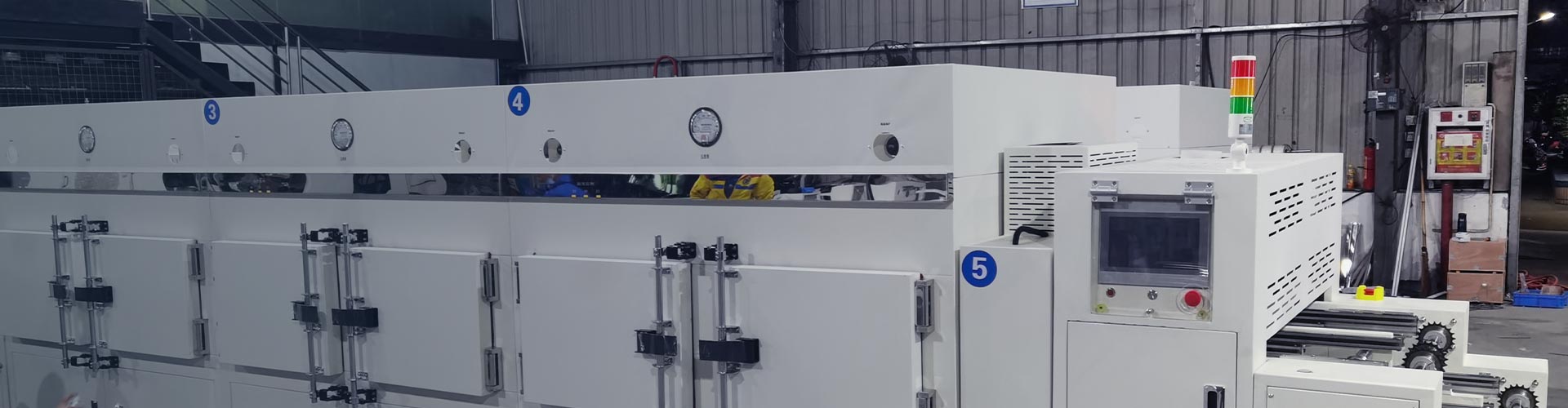
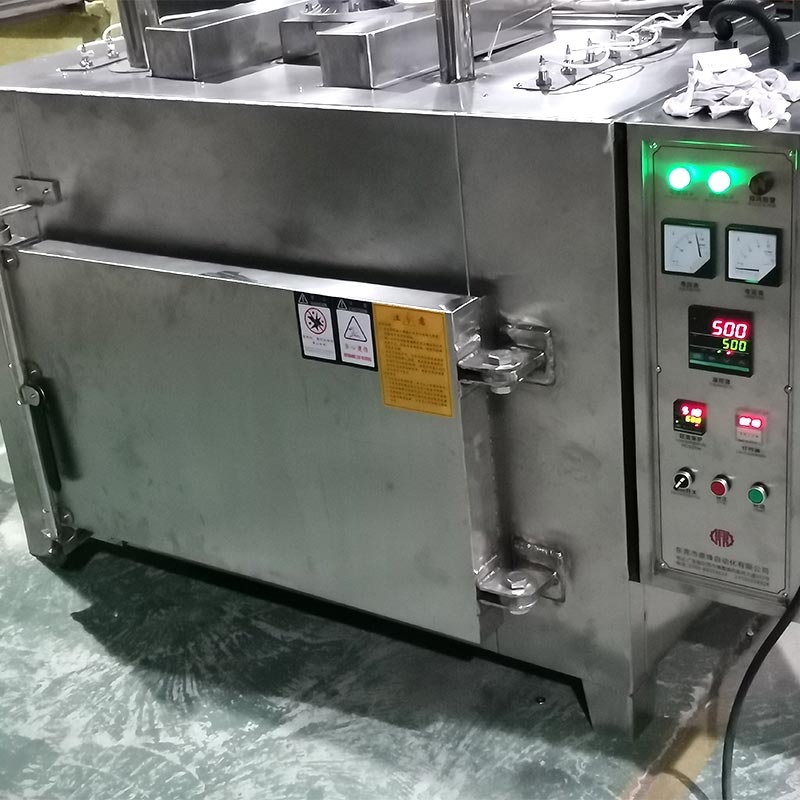
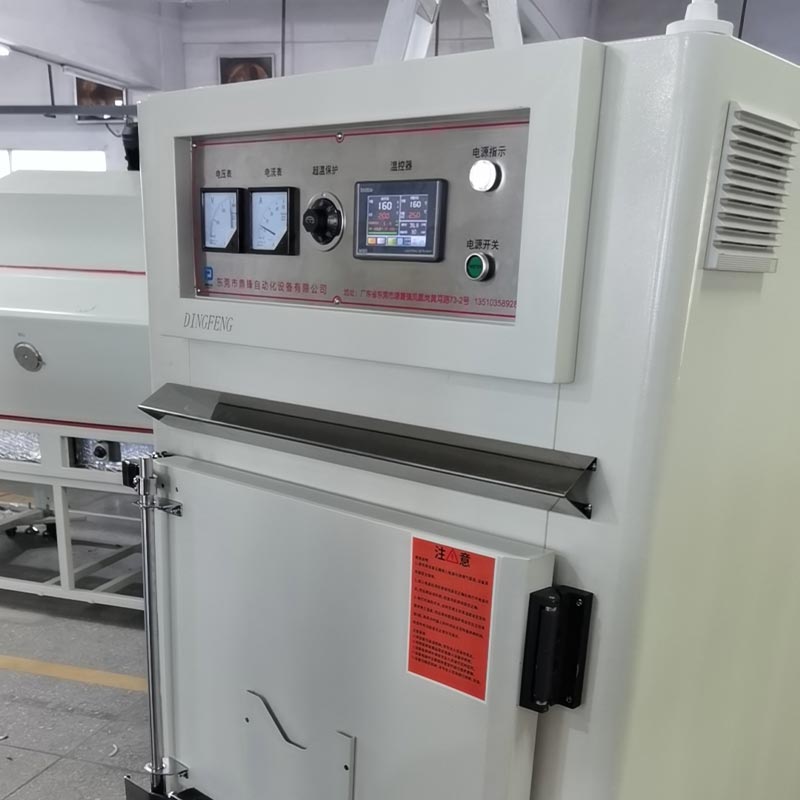
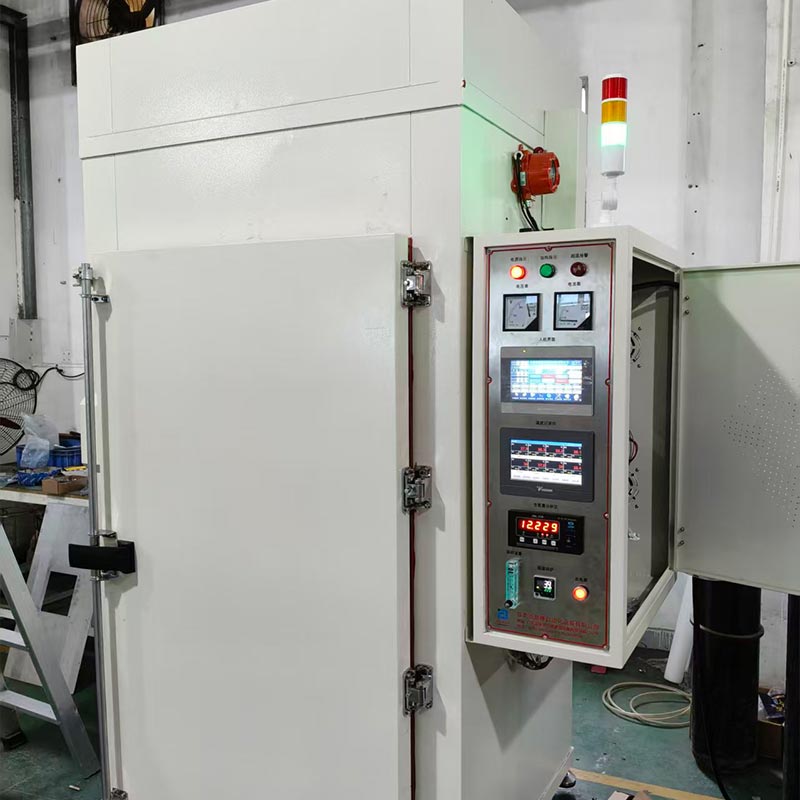
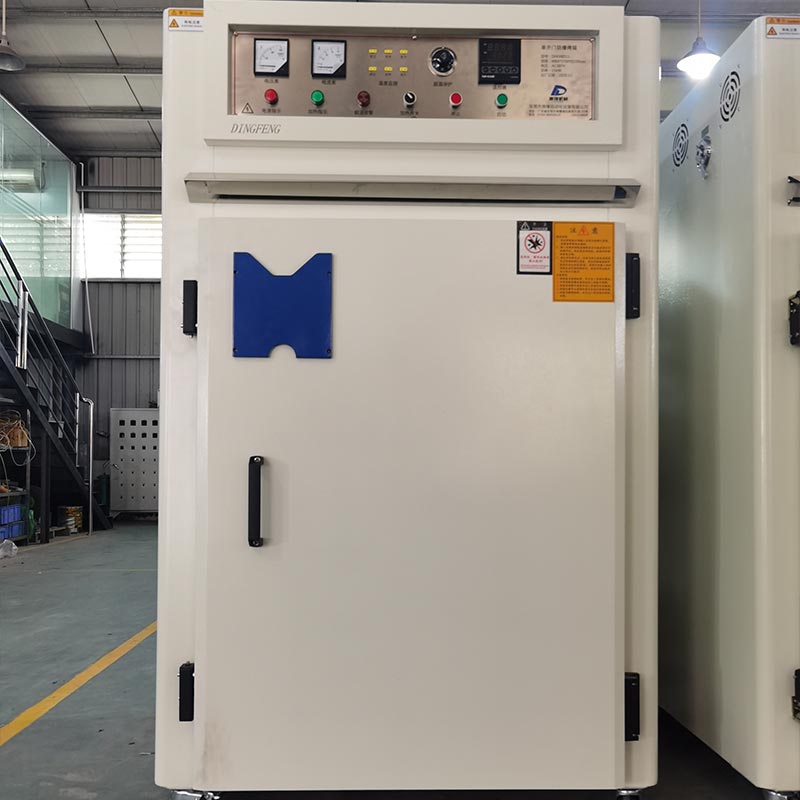
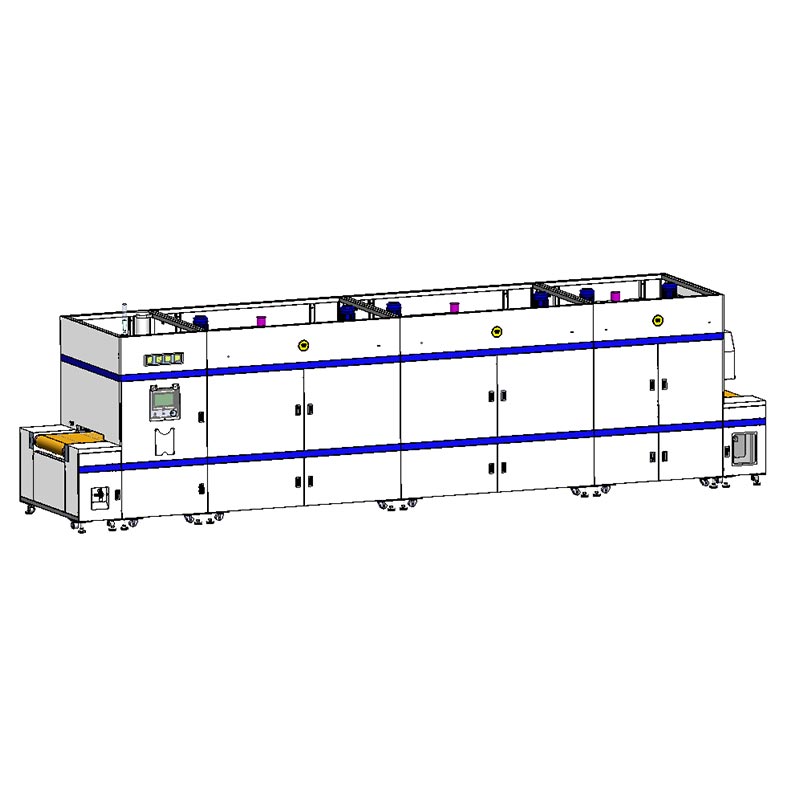
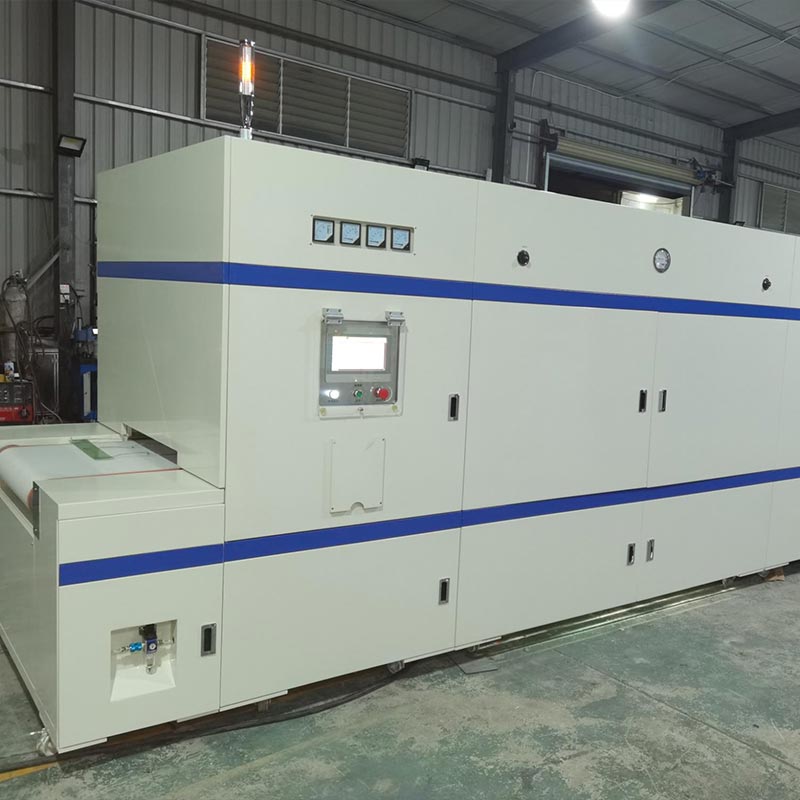
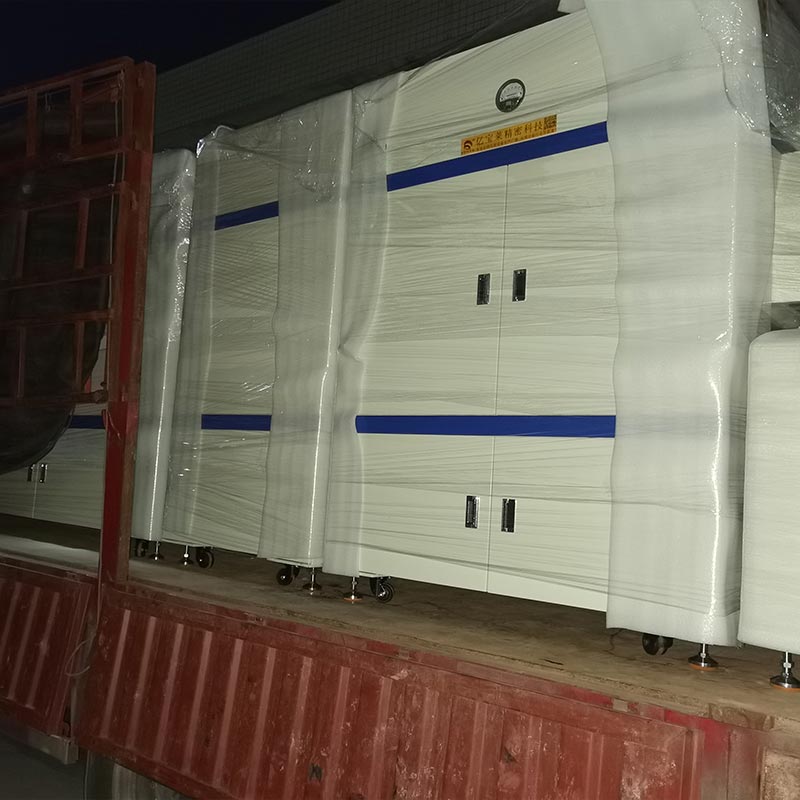
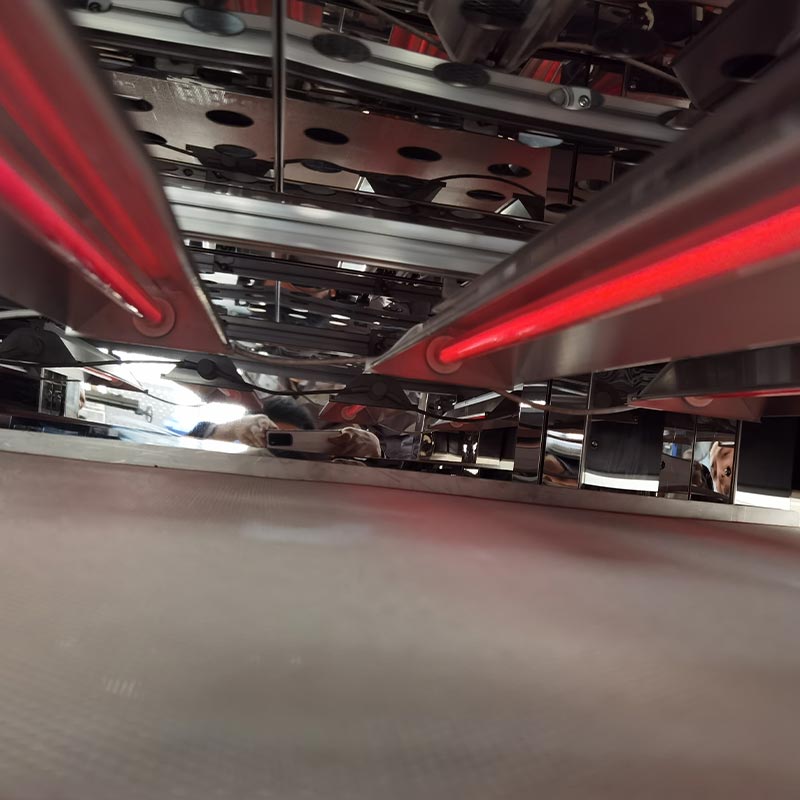
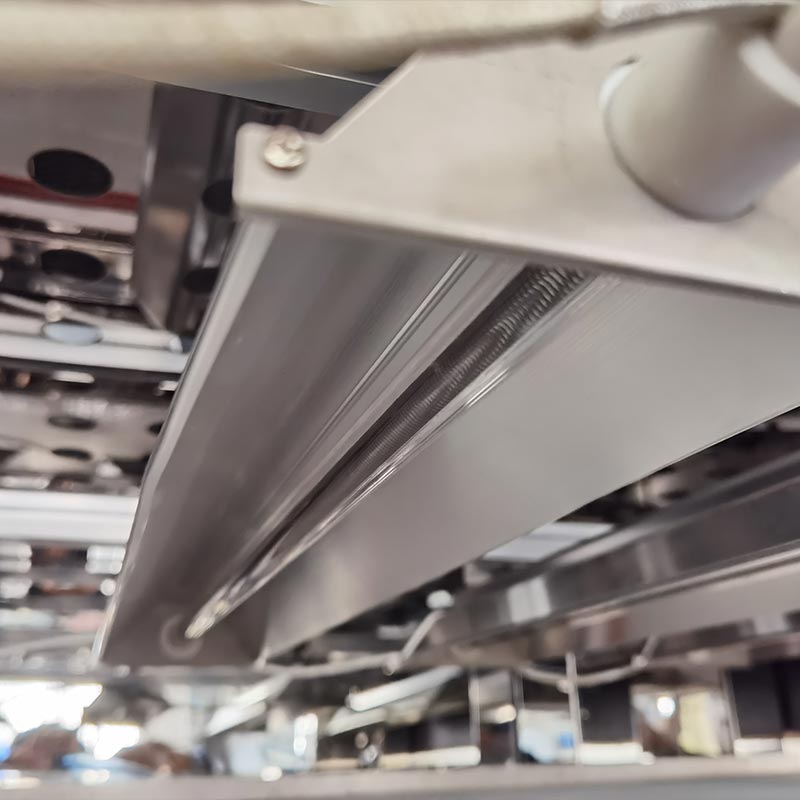
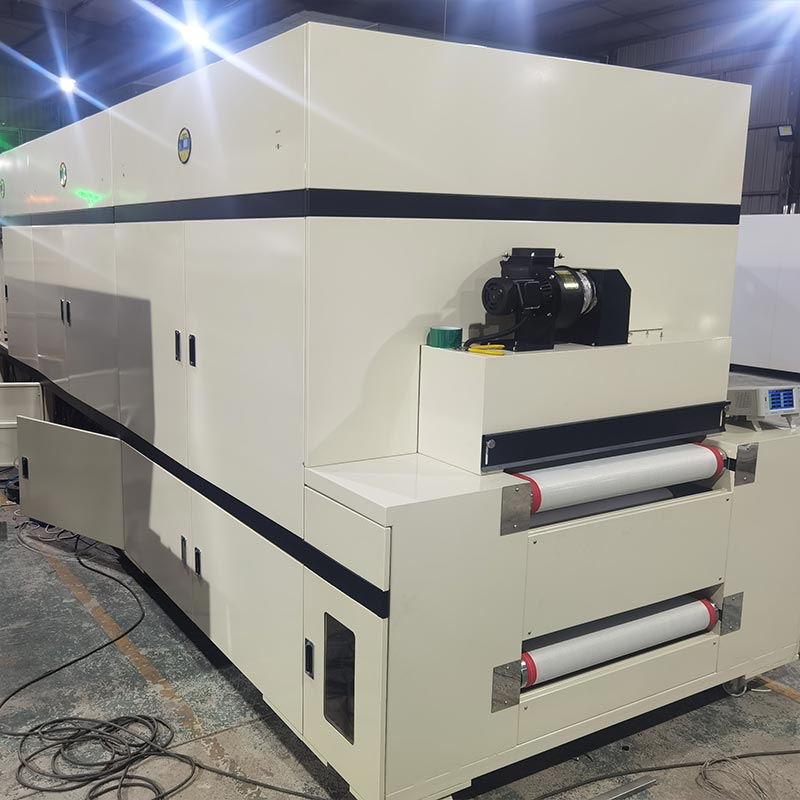
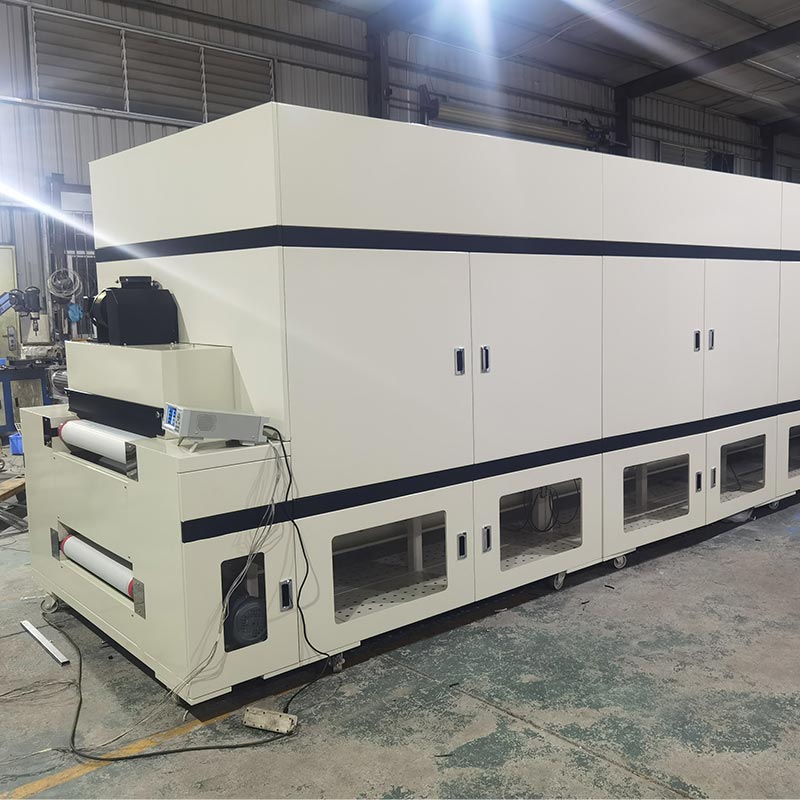
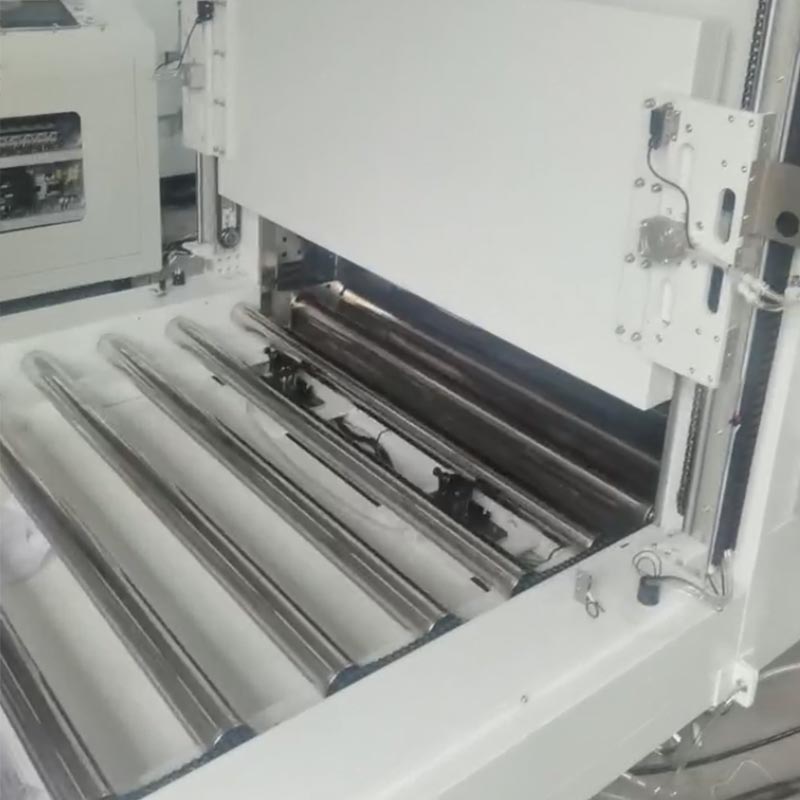
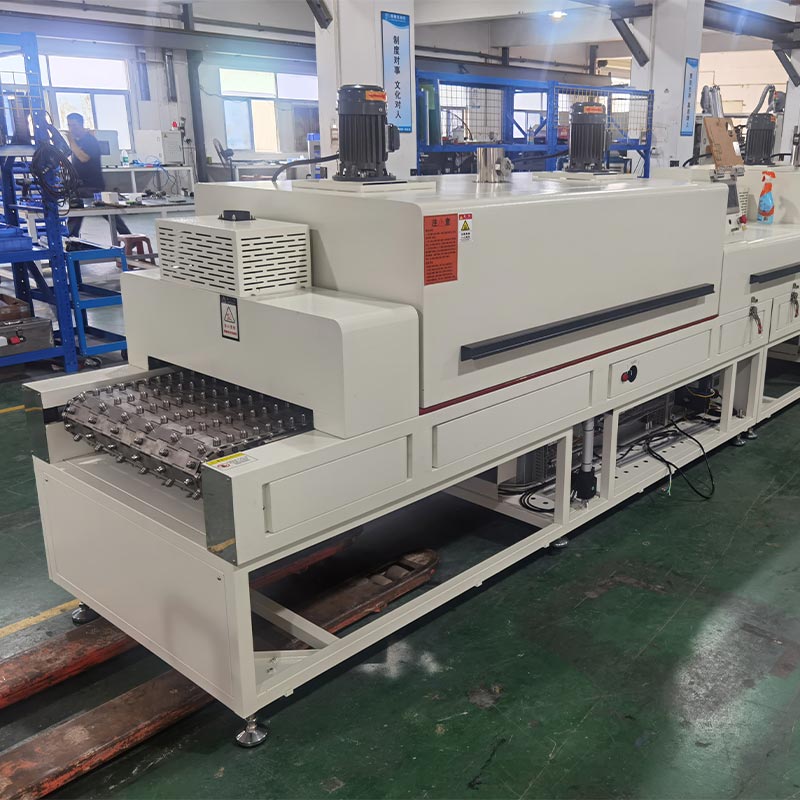
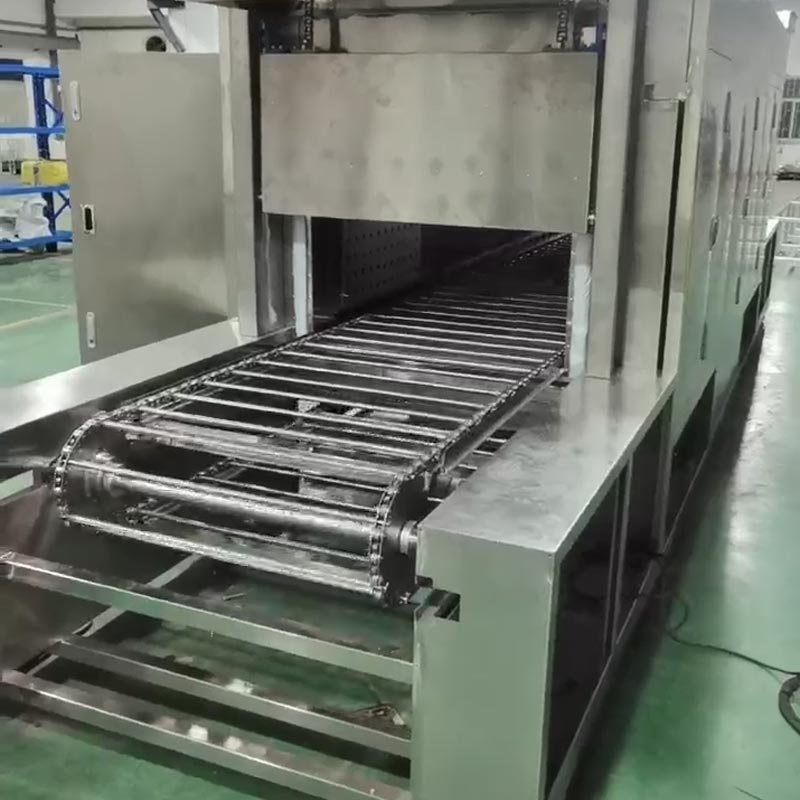
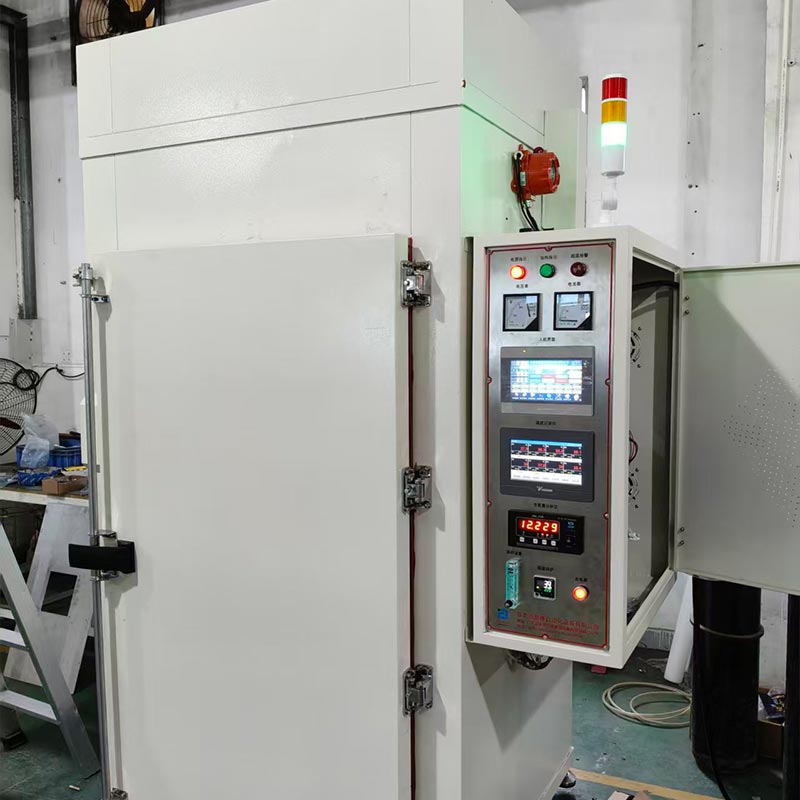
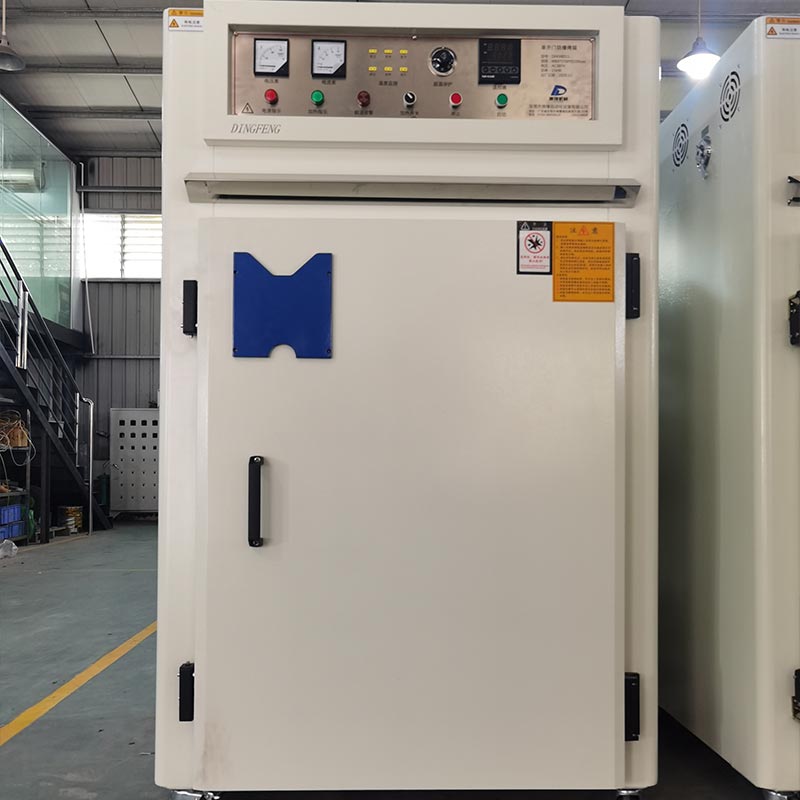
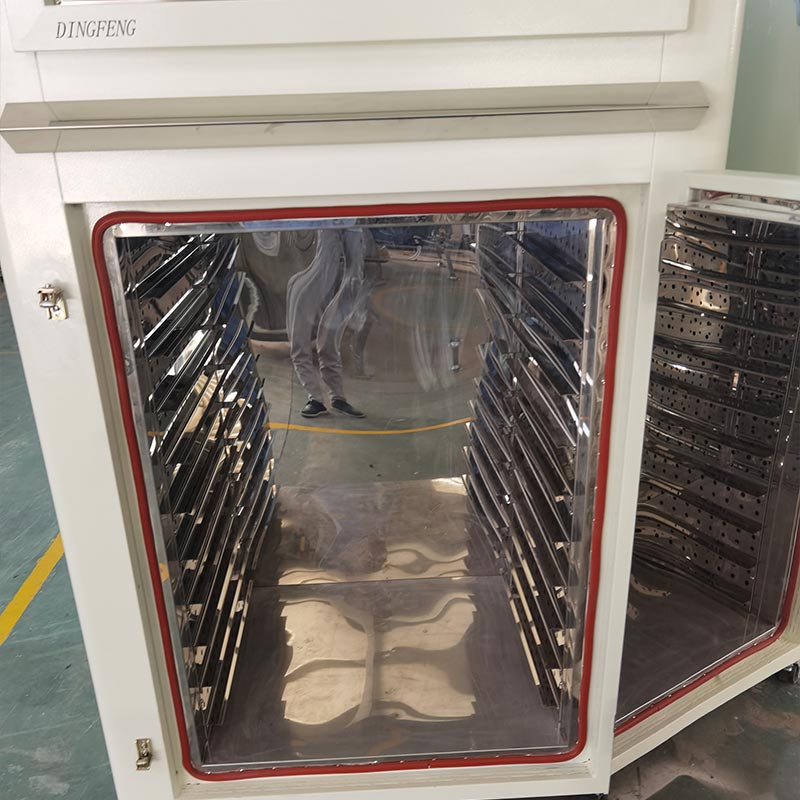
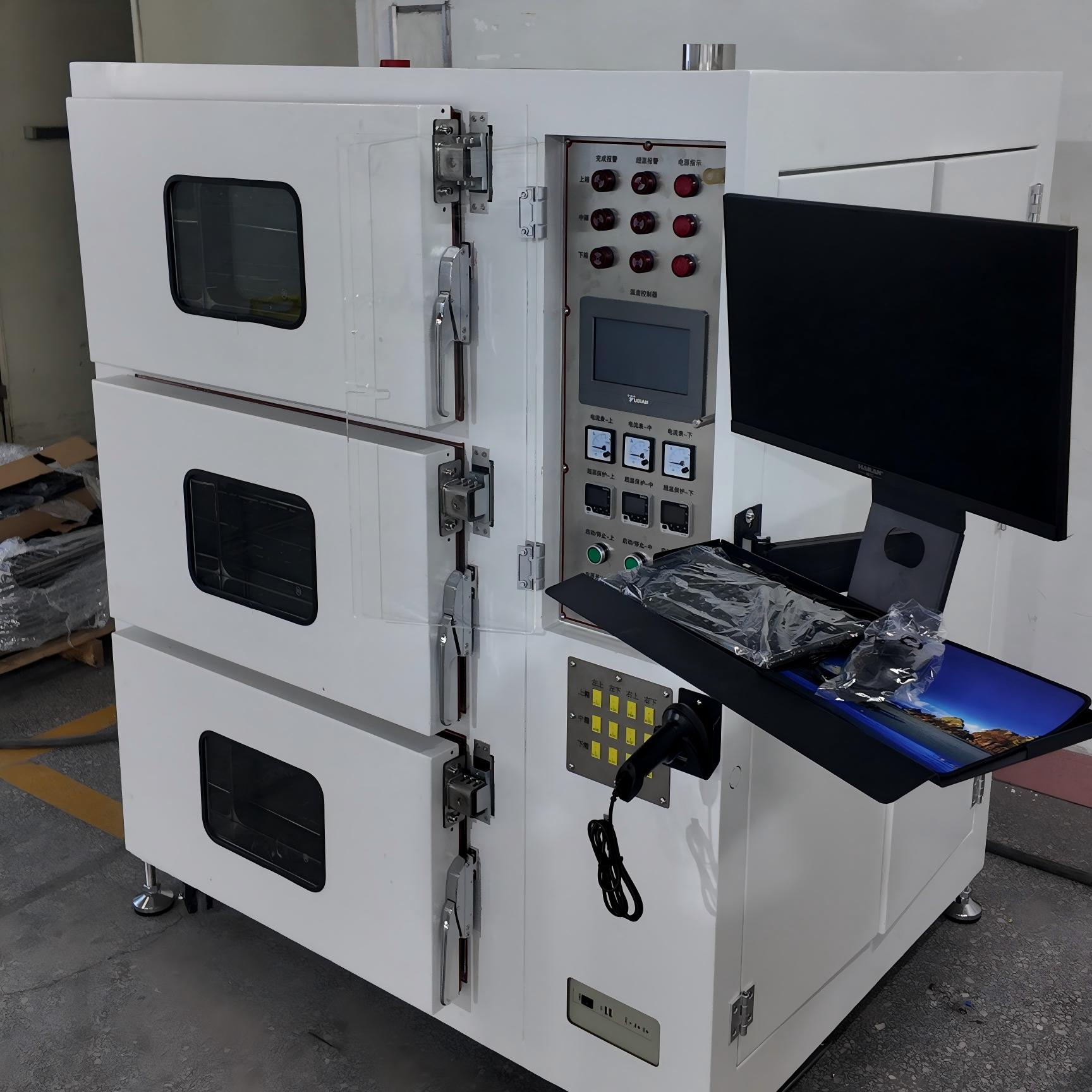
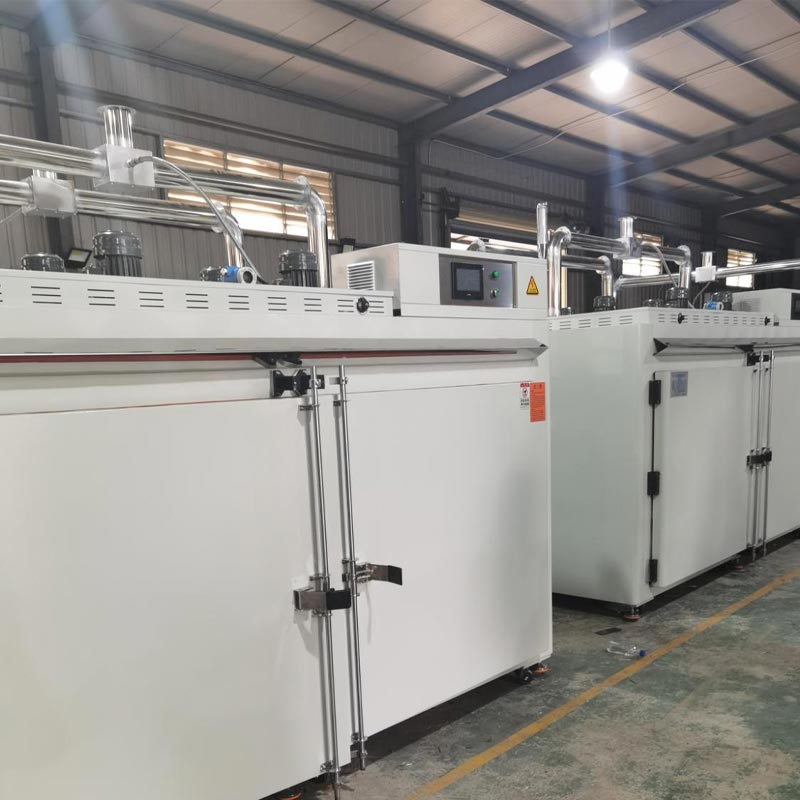
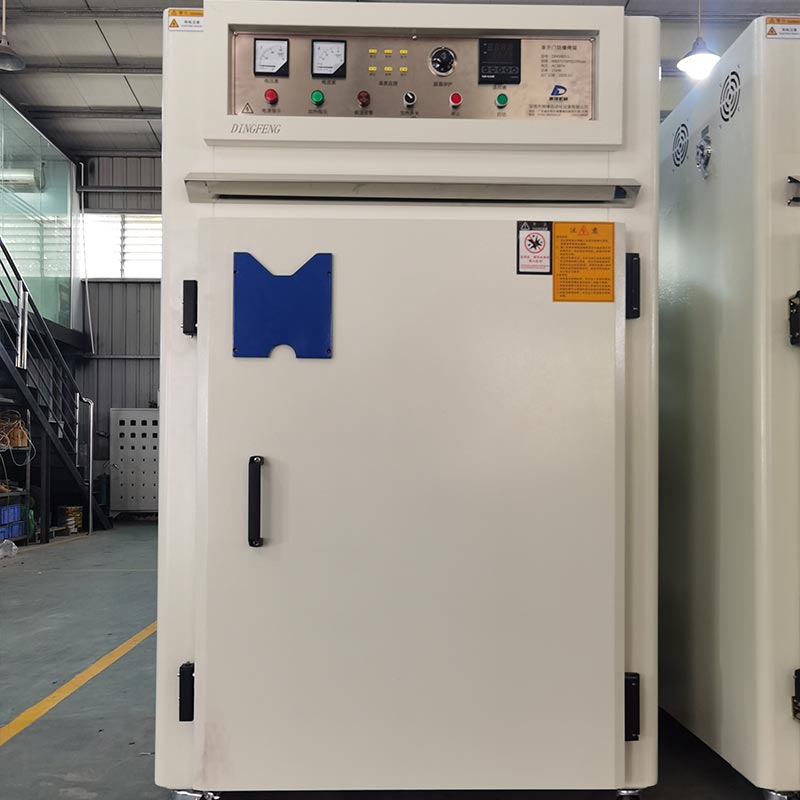
This happens when the outermost layer of ink dries prematurely, trapping the volatile solvents in the underlying layer. The Screen Printing Tunnel Oven from Dingfeng Company addresses this problem through its advanced mid-wave infrared penetration technology. With our 20 years of thermal expertise and manufacturing experience, our system can release radiant energy, stimulating the ink molecules on the substrate to move upwards, thus achieving the curing process. We offer the latest designed and cost-effective products. Please feel free to obtain a Quotation.
Maximum conveying width: 700mm.
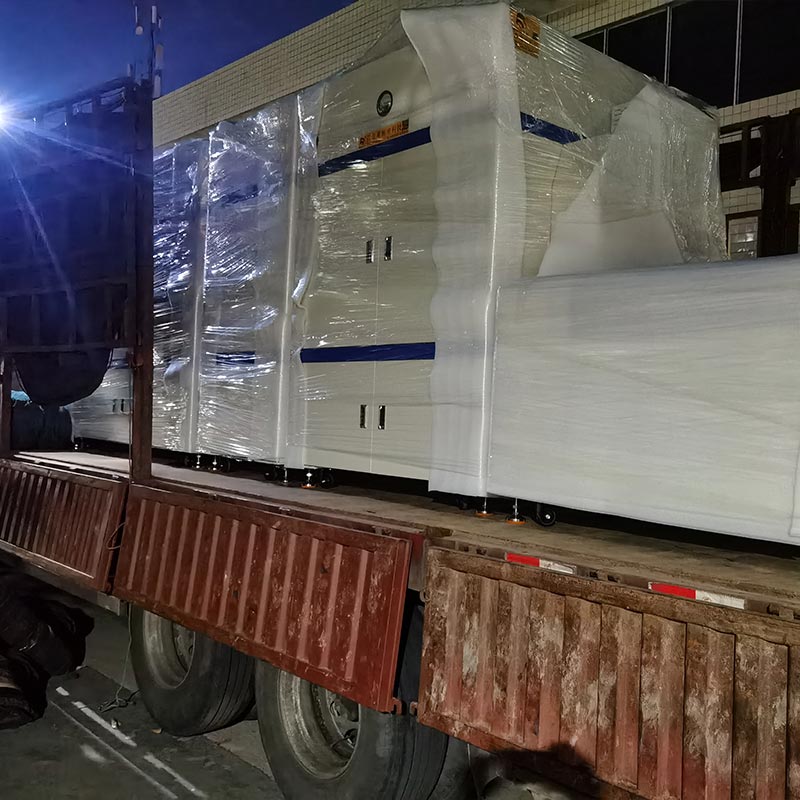
Total equipment floor area: L8000 * W1630 * H2100mm (customizable)
Equipment weight: 3900KG
To achieve successful screen printing curing, a fine balance between heating and air exchange is required. Dingfeng's
Screen Printing Tunnel Oven Made in China is equipped with an integrated volatile organic compound management system. It
features a 200-watt high-temperature centrifugal fan and a self-developed 9-inch stainless steel diffuser, which can
effectively capture and discharge solvent vapors, preventing them from re-aggregating before reattaching to the
substrate. This can prevent the "ink fog" and "ghost images" along the entire conveyor belt width.
Basic parameters
Parameter
Specification
Equipment Model
DFHK7008
Effective Length of Feed Inlet
500 mm
Length of Zone 1
1500 mm × 1 section
Length of Zones 2 & 3
2250 mm × 2 sections
Length of Cooling Zone
1000 mm
Length of Discharge Outlet
500 mm
Effective Width of Transportation
700 mm
Effective Height of Transportation
0 - 80 mm (adjustable)
Transport Speed
0.5 - 3 m/min (adjustable)
Working Height
900 ± 30 mm
Curing Temperature Range
RT - 180 ℃
Temperature Control Uniformity
≤ ±3 ℃
Heating Rate
RT - 100 ℃ ≤ 15 min
Furnace Body Temperature
≤ Room Temperature + 8 ℃
Total Exhaust Gas Volume
Approx. 43 m³/min
Working Environment of Furnace Chamber
Static Class 100, Dynamic Class 100
Configure safety performance
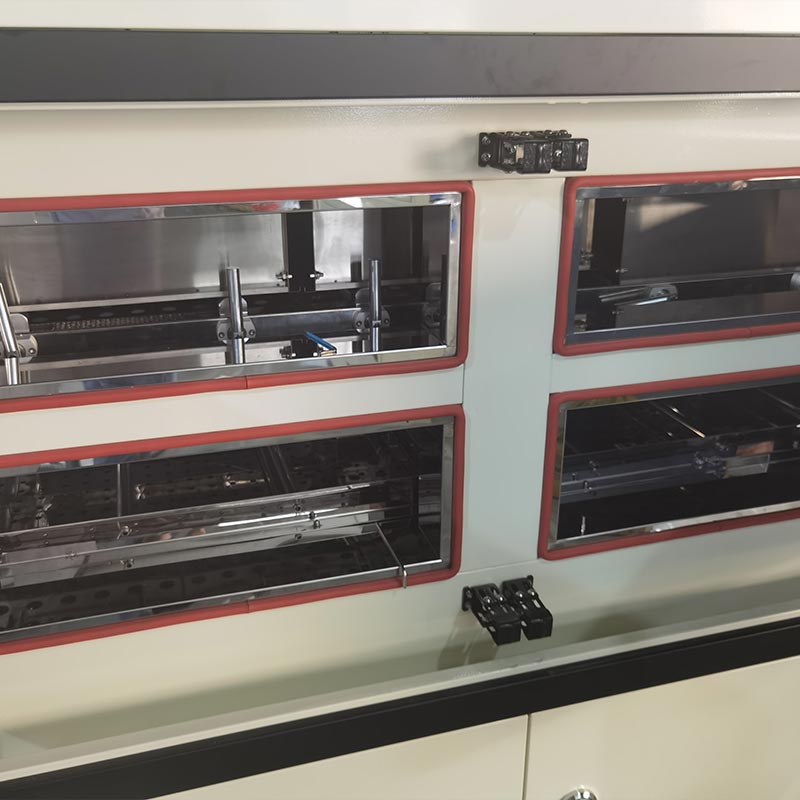
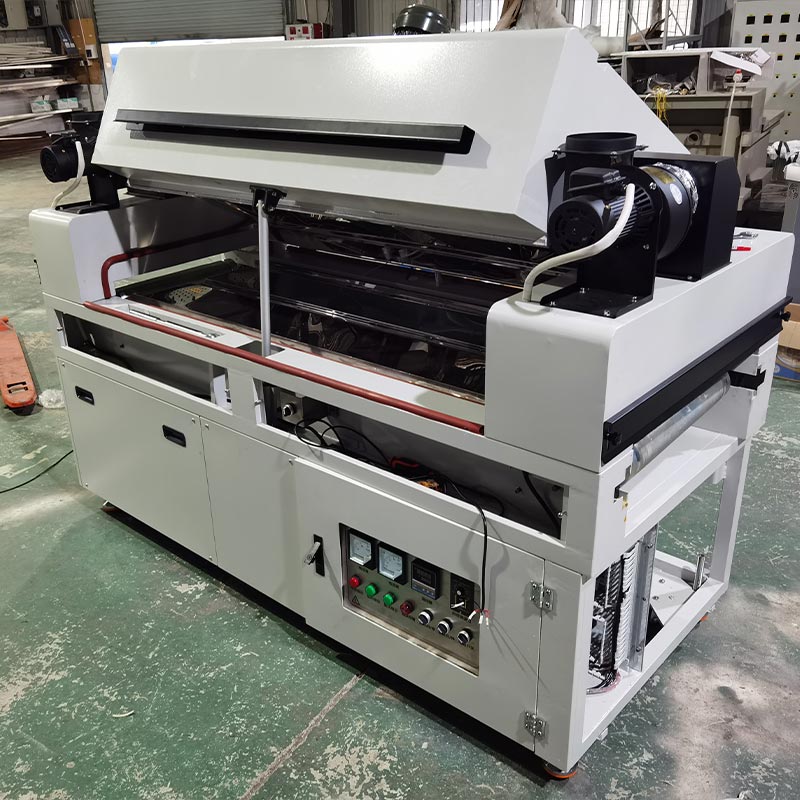
To ensure the safety of operators, the furnace cover of the Screen Printing Tunnel Oven is equipped
with an innovative 6000N high-strength electric cylinder, which provides a 350mm top clearance, facilitating
internal maintenance work. At the same time, hardened nickel-plated safety rails are integrated, along with an
electronic mechanical interlock device, which can prevent accidental closure and synchronize with the heating
system. Opening the furnace cover will automatically cut off the 24-kilowatt power array. This level of safety
compliance follows ISO and OSHA workplace standards.
Our advantages
Maintaining the environmental temperature of the clean room is just as important as the curing process itself. The
Screen Printing Tunnel Oven uses a 1.2-ton mirror-finish stainless steel 304 internal structure, which is crafted
through a full argon arc welding process to ensure a dust-free and particle-free environment. To minimize the heat
load on the workshop, 120K high-density insulation materials are used, along with a dedicated internal air
insulation layer. This ensures that the outer shell feels very cool, reducing the heat load of the facility's air
conditioning system and increasing the overall energy investment return rate.
Q&A
Q1: How does the "inward-outward" infrared curing technology enhance scratch resistance?
Answer: When the ink starts to cure from the bottom, it forms stronger chemical bonds with the substrate. Standard
hot air may cause the bottom of the ink layer to become slightly soft, resulting in poor adhesion. However, our
mid-wave infrared emitter ensures that the entire ink layer reaches the glass transition temperature simultaneously,
thus creating a harder and more scratch-resistant surface.
Q2: Can the exhaust rate be synchronized with the use of ink with high solvent content?
Answer: Yes. Dingfeng's oven has adjustable stainless steel air valves. Your operators can adjust the emission rate
of volatile organic compounds according to the solvent content of the ink. This ensures that even in high-density
printing processes, the environment remains unsaturated, promoting rapid evaporation and preventing color changes
caused by solvents.
Q3: Is the electric lifting system compatible with the high-frequency cleaning plan?
Answer: Of course. Our 6000N electric pusher has a long industrial lifespan. The one-click lifting mechanism,
combined with the mirror-finished SUS internal structure, can complete the wiping of the entire chamber in just a
few minutes. This minimizes maintenance downtime and ensures that the certified printing environment requires only a
little effort to maintain a perfect state.
Question 4: How can we prevent thin sheet materials like polyester/polyvinyl chloride from deforming at
temperatures above 100°C?
Answer: Thermal deformation is usually caused by uneven thermal stress. First, our pressurized exhaust system acts
as an air clamp, keeping the film flat against the mesh belt. Secondly, the controllable SCR current control can
achieve extremely smooth temperature rise, avoiding sudden thermal shocks that cause thin-gauge plastics to contract
or curl.
Question 5: Can this oven handle high-solvent, odor-causing inks without contaminating the
workshop?
Answer: Of course. We have designed a set of volatile organic compound (VOC) extraction system that meets the Ames
standard. By installing a 200-watt high static pressure fan and adjustable stainless steel air valves, our system
maintains a negative pressure environment inside the heating chamber. This ensures that 95% of the solvent vapor is
captured and directed to the factory's central exhaust pipe, keeping your cleanroom air fresh and in compliance with
environmental standards.
Question 6: Can the height of the infrared lamps be adjusted to accommodate different product
shapes?
Answer: Yes. We understand that screen printing products may vary from flat sheets to 3D electronic shells and other
shapes. The infrared array is installed on a track system with adjustable height.
Question 7: How much energy can the dual-function insulation actually save for me?
Answer: Compared to a standard single-layer insulated oven, the dual-function insulation barrier (120K asbestos +
internal air gap) can reduce surface heat radiation by approximately 20% to 25%.
Question 8: What is the maximum conveyor belt width available for large-format printing?
Answer: Although our Screen Printing Tunnel Oven is optimized for common industrial sizes, our 11,000 square
meter manufacturing facility allows for complete customization. We have successfully provided custom specifications
with a maximum width of 1750 millimeters for large-sized display screens and automotive trim printing, while always
maintaining a strict consistency standard of ±5°C.
Question 9: Does the 90-day data record meet the requirements of medical-grade printing?
Answer: Yes. Our Weinview HMI can record temperature in real time.
Hot Tags: China screen printing tunnel oven Manufacturer, Factory, Supplier
Looking for a professional manufacturer? Send your requirements for a customized quote. Dingfeng provides competitive factory prices and professional project discussions for your bulk orders.
We use cookies to offer you a better browsing experience, analyze site traffic and personalize content. By using this site, you agree to our use of cookies.
Privacy Policy