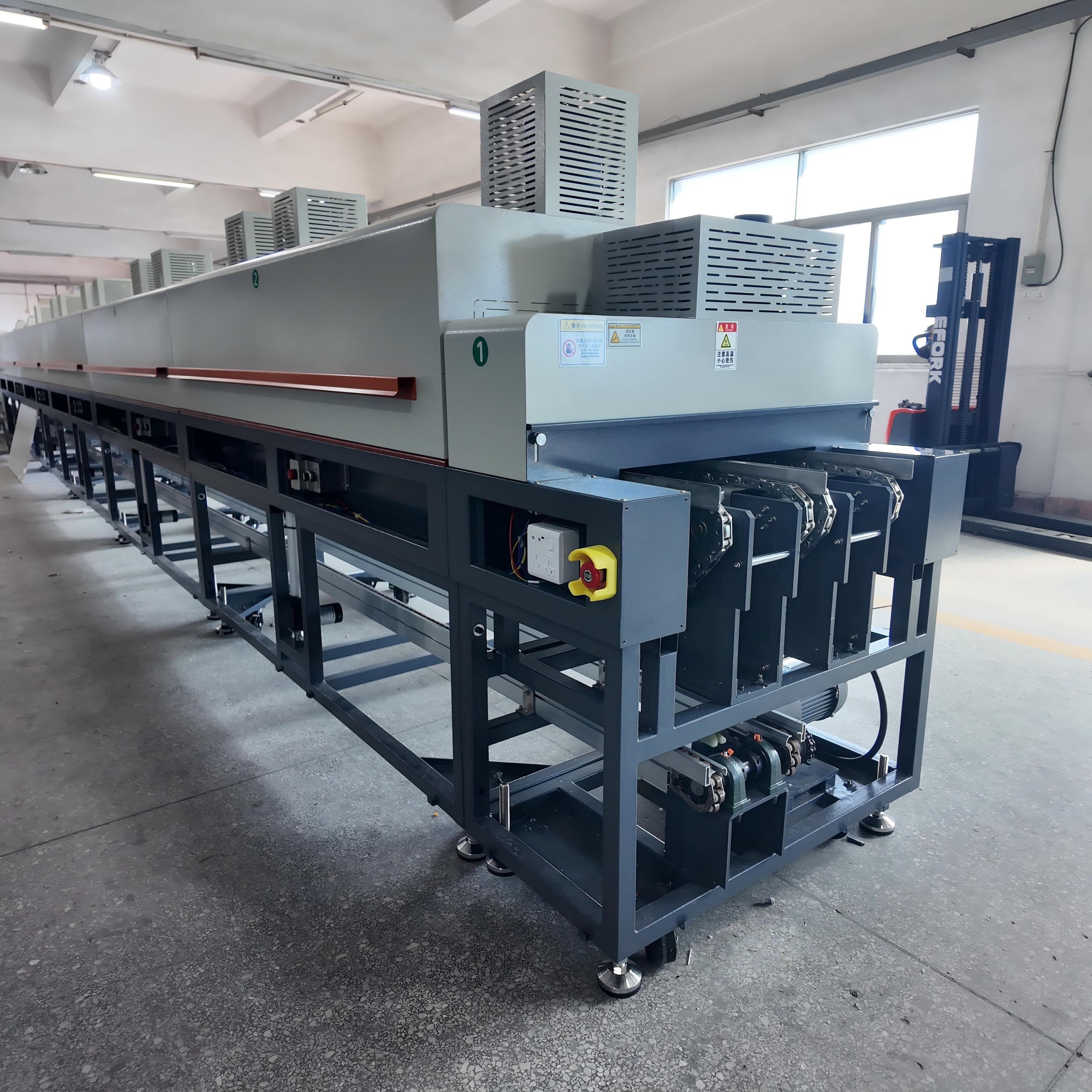
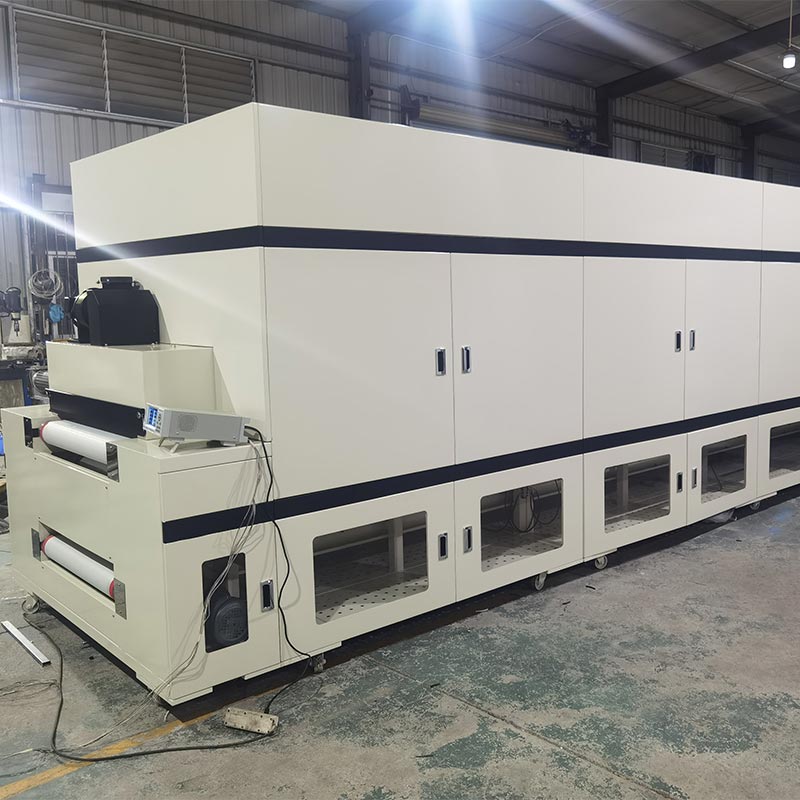
Dual-channel IR Tunnel Furnace: Dual-lane design doubles output; IR+hot-air composite heating with ±5°C max temp tolerance; merely 31kW steady power for ~60% energy saving; multi-safety interlock shuts down heating on lid opening, ideal for round-the-clock continuous curing.
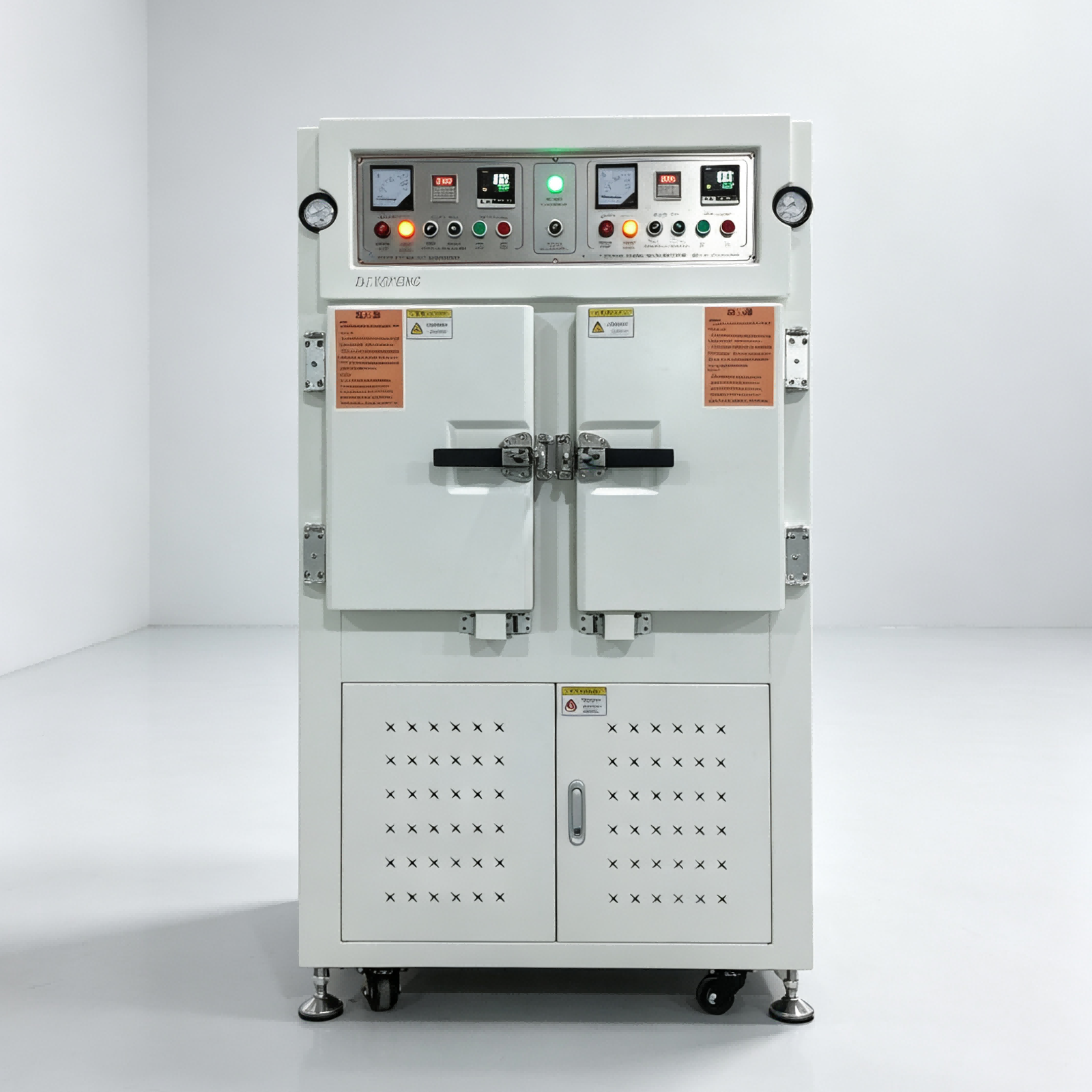
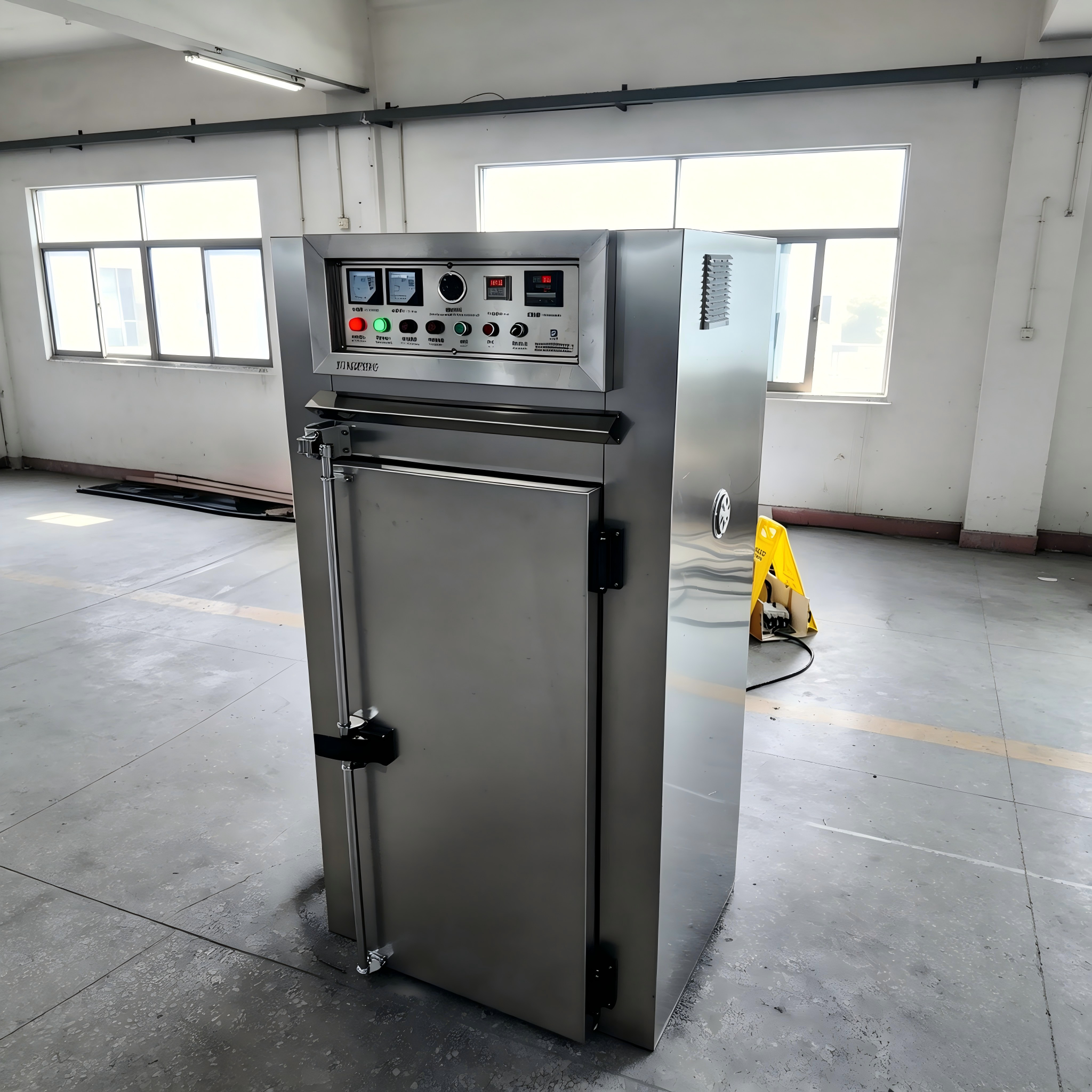
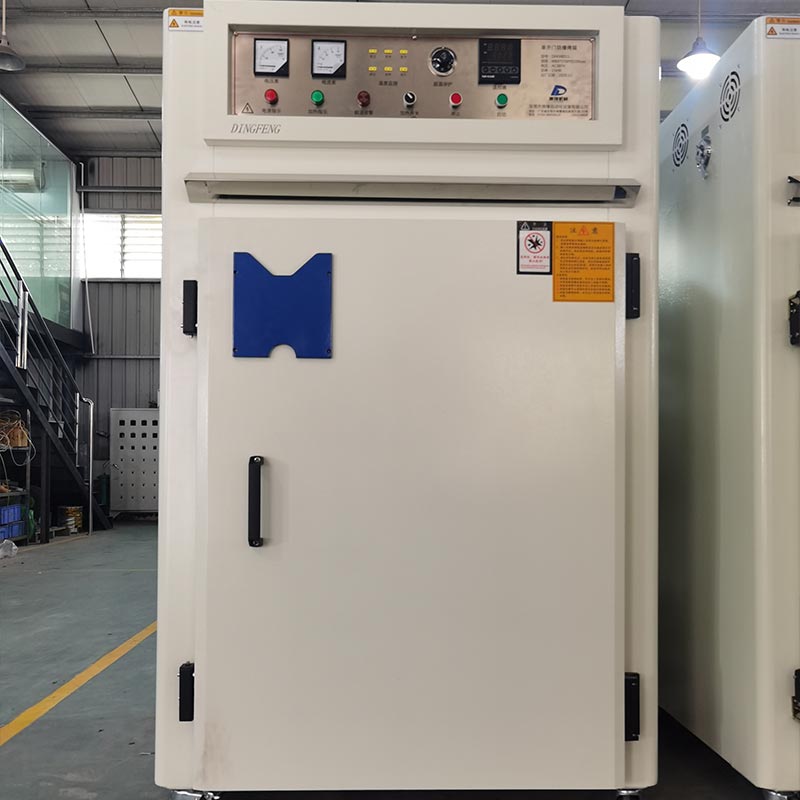
Focusing on pain points in high-end industrial drying scenarios, Dongguan Dingfeng Automation officially launches the SUS304 Industrial Stainless Steel Oven. Built with full SUS304 stainless steel and compliant with ISO cleanroom standards, it features three core advantages: 20-minute ultra-fast heat-up, ±3°C precise temperature control, and 30% energy savings. It outperforms ordinary carbon steel ovens in cleanliness, efficiency and service life. Ideal for high-precision industries such as semiconductors, PCBs, medical devices and aerospace, it comes with comprehensive after-sales support, making it the optimal choice for industrial clean drying.
The Hot Air Tunnel Oven is a cutting-edge solution for industries that require efficient drying, curing, and heat treatment processes. This article explores the key benefits, working principles, and practical applications of Hot Air Tunnel Ovens, helping manufacturers optimize productivity, reduce energy consumption, and maintain consistent product quality.
This article examines the current state of hydrogen combustion technology, the engineering hurdles overcome, and the readiness of suppliers like Dongguan Dingfeng Automation Equipment Co., Ltd. to deliver commercial units.
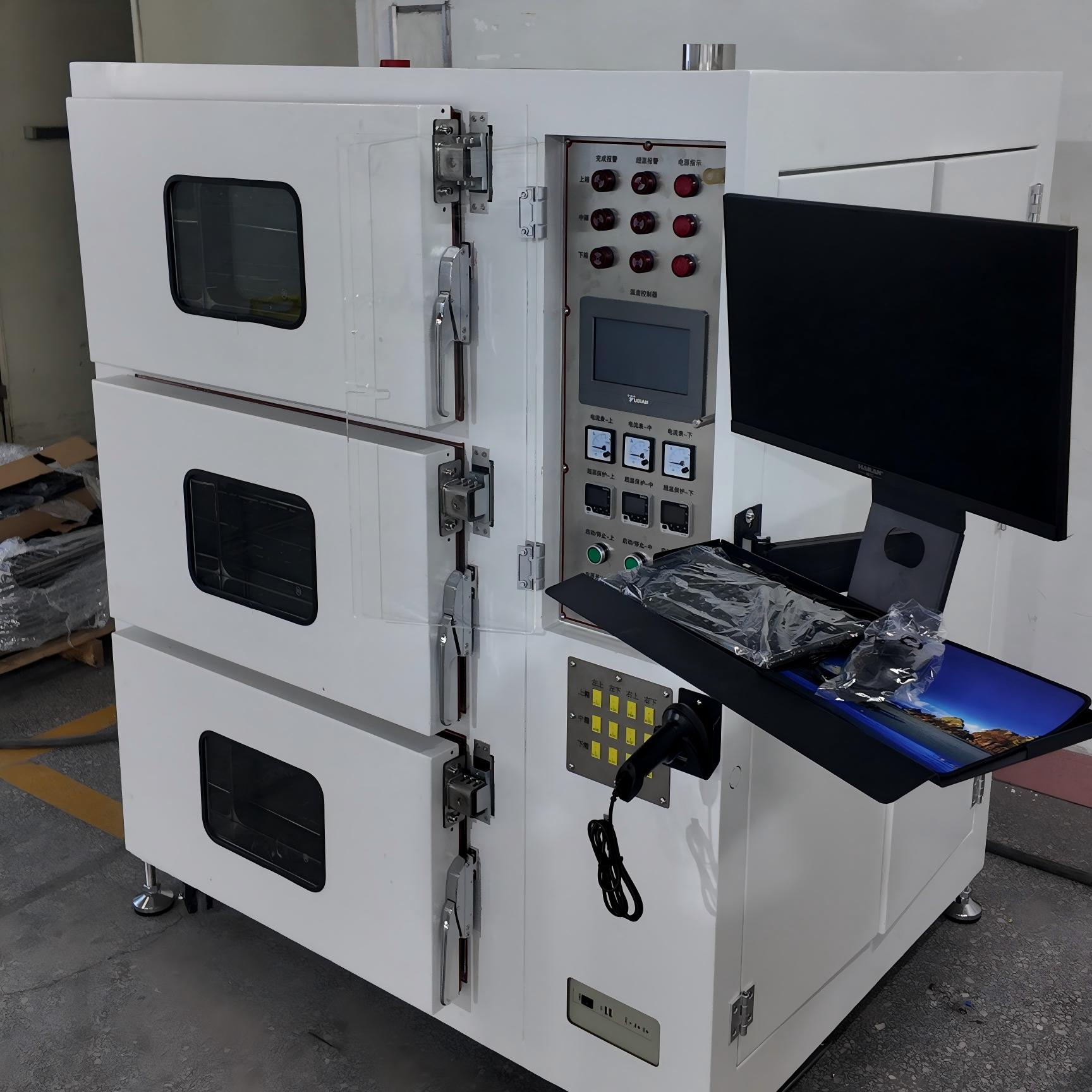
Industrial inductor curing ovens are essential for efficient manufacturing processes in electronics, automotive, and composite industries. This article explores their working principles, key features, benefits, and maintenance considerations, helping businesses optimize production quality and energy efficiency.
An Industrial Inductor Curing Oven plays a critical role in modern manufacturing processes involving inductors, transformers, coils, and other electromagnetic components. This article explains how these ovens work, why they are essential for consistent curing performance, and how they help manufacturers solve common production pain points such as uneven curing, energy inefficiency, and unstable product quality. It also explores key features, selection criteria, and practical applications in industrial environments.
We use cookies to offer you a better browsing experience, analyze site traffic and personalize content. By using this site, you agree to our use of cookies.Privacy Policy