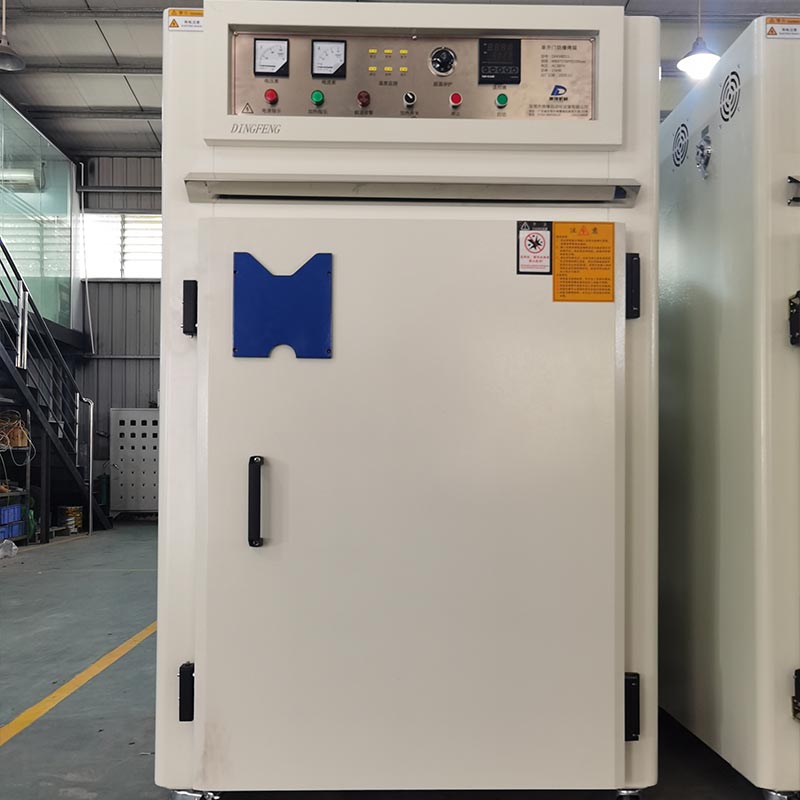
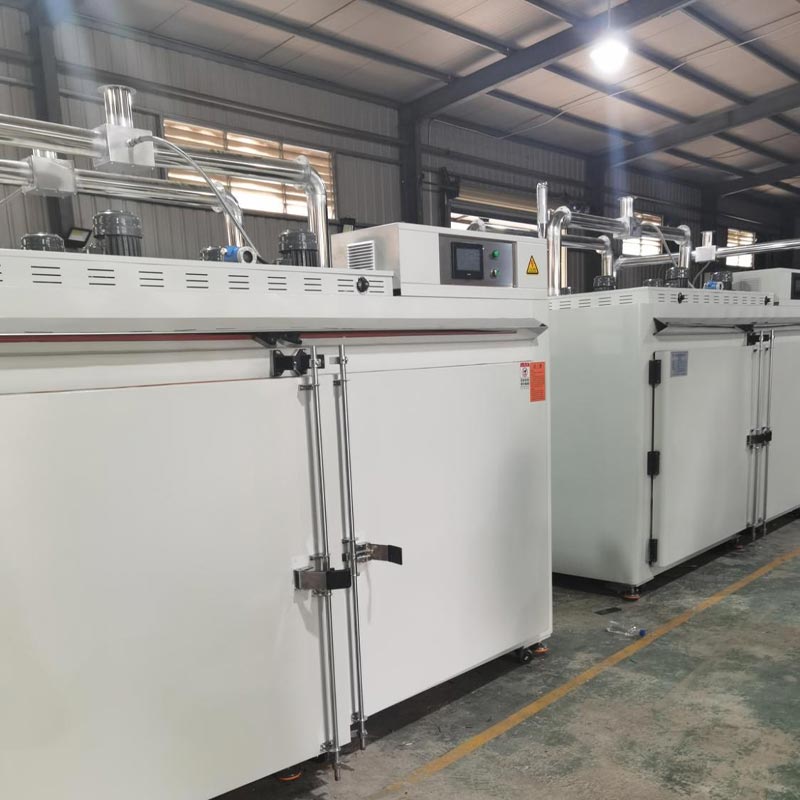
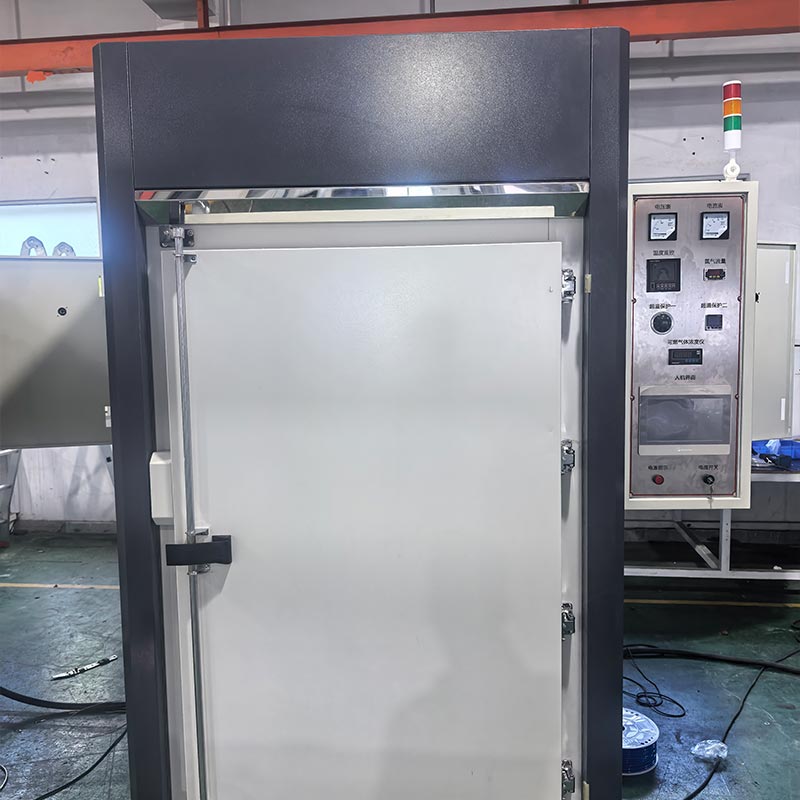
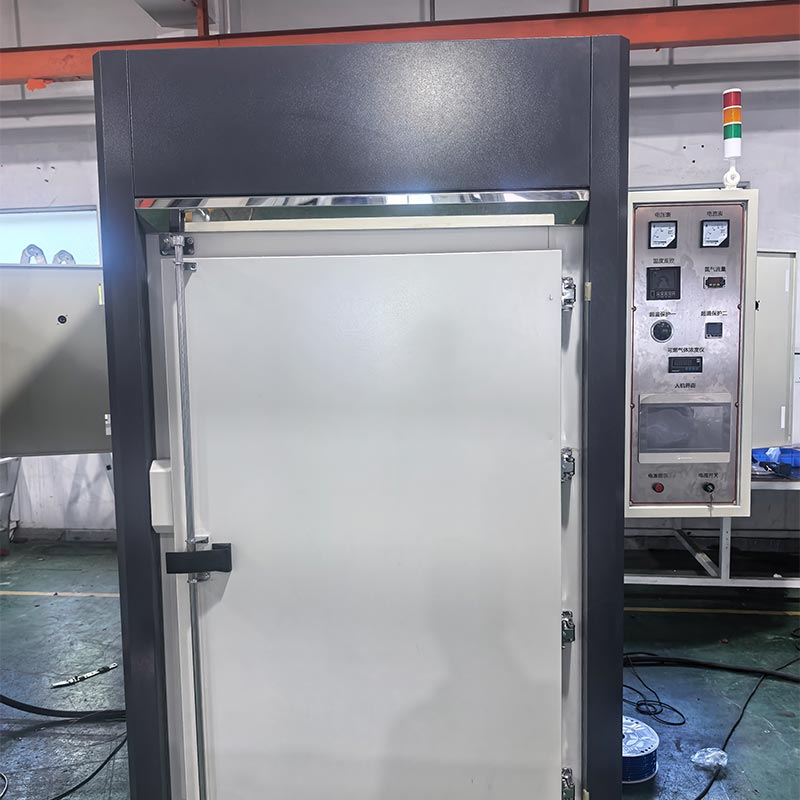
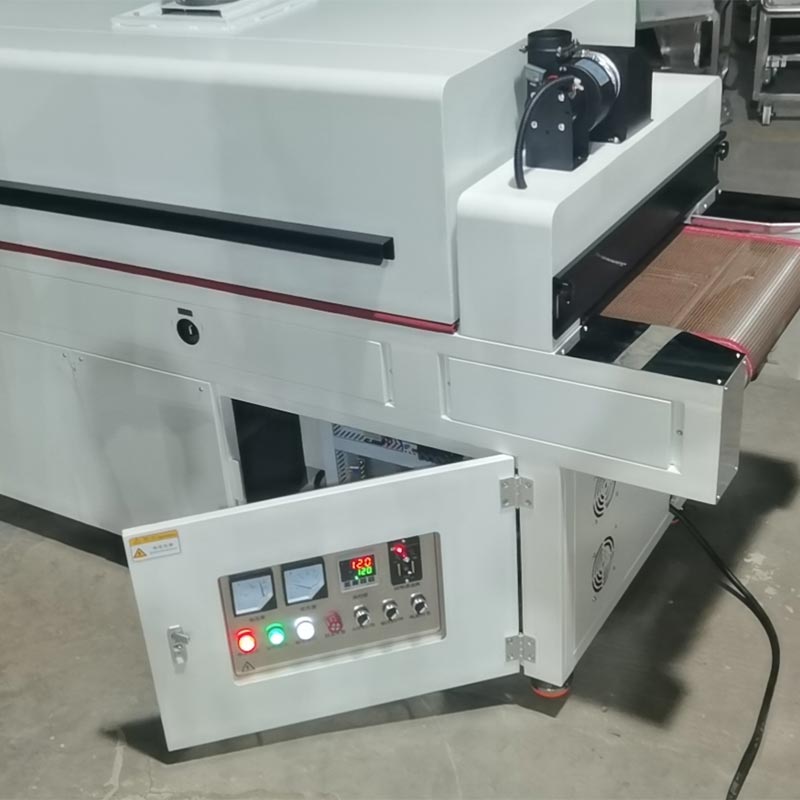
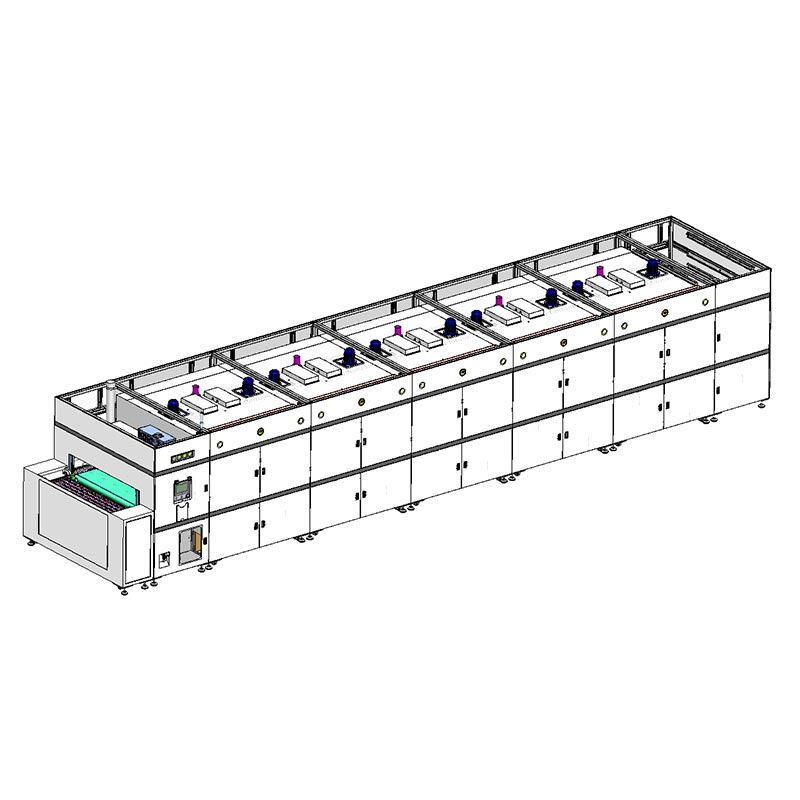
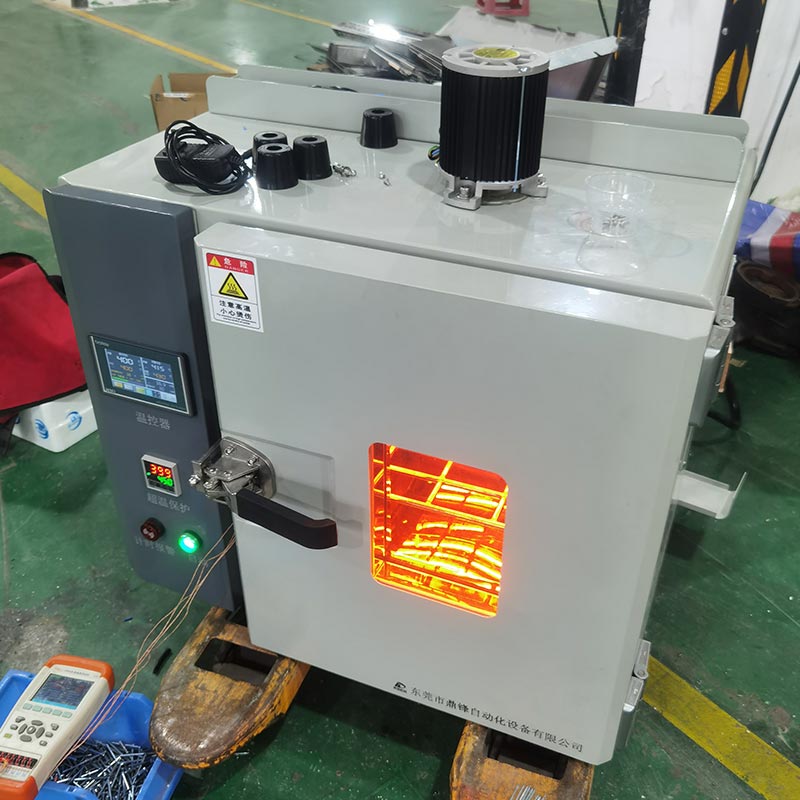
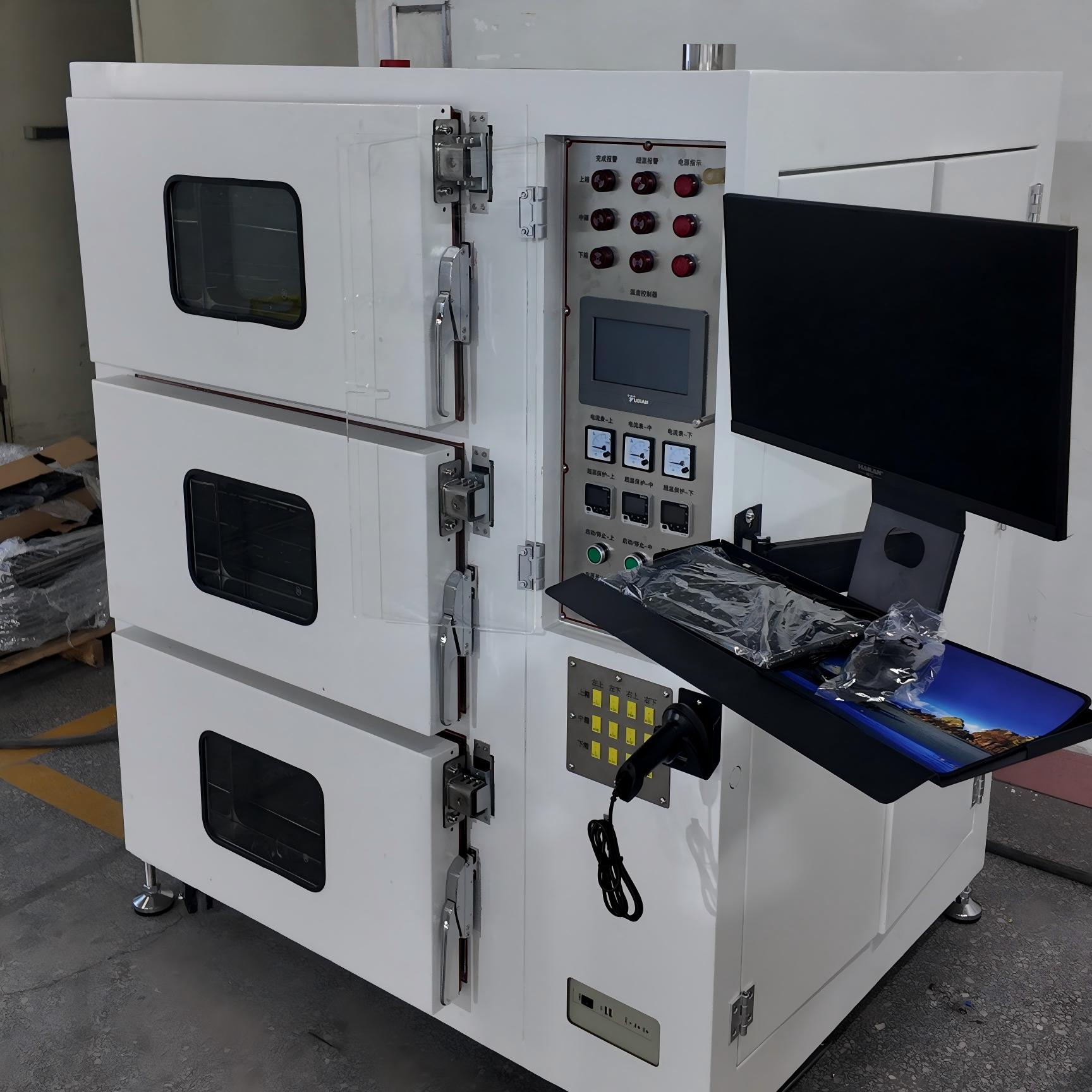
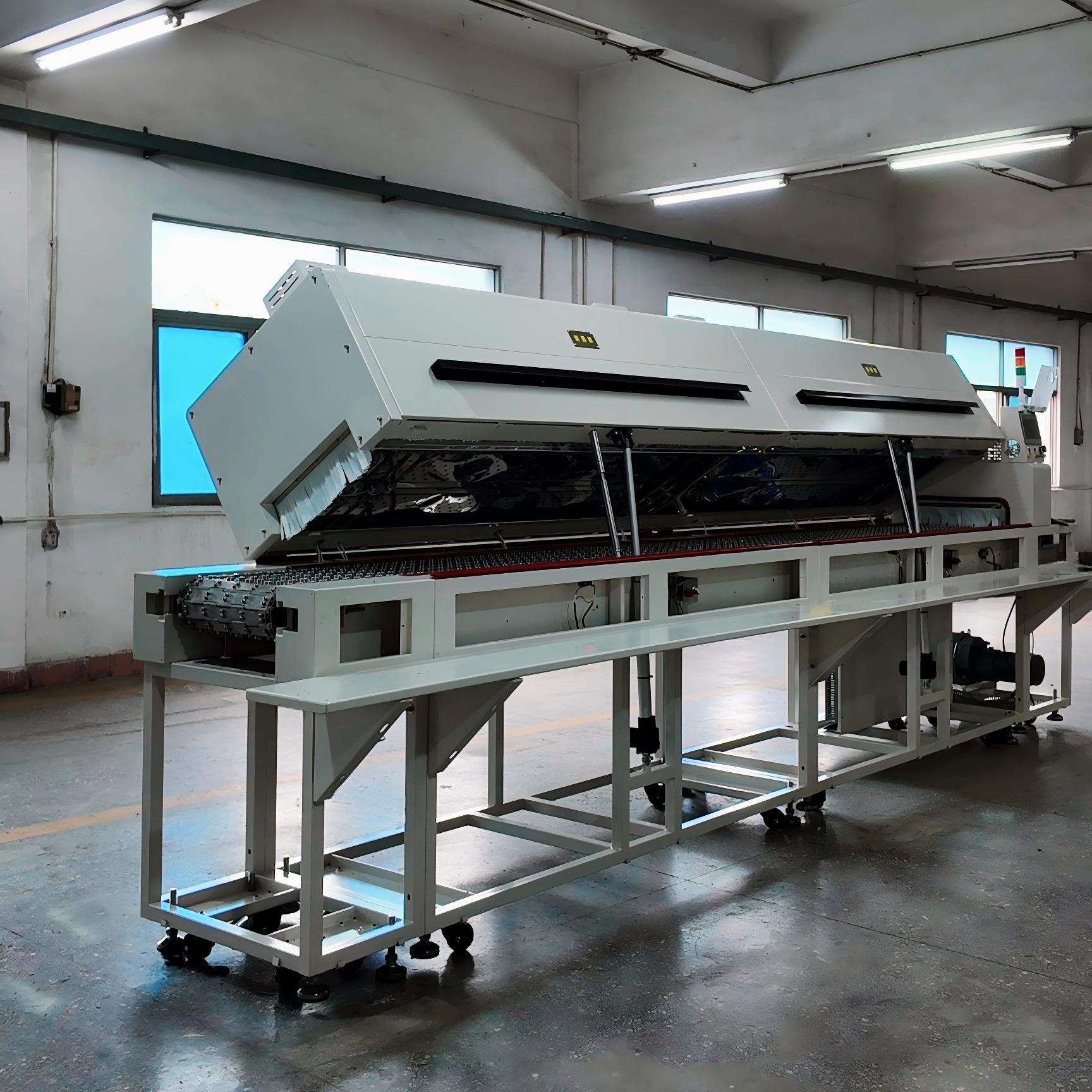
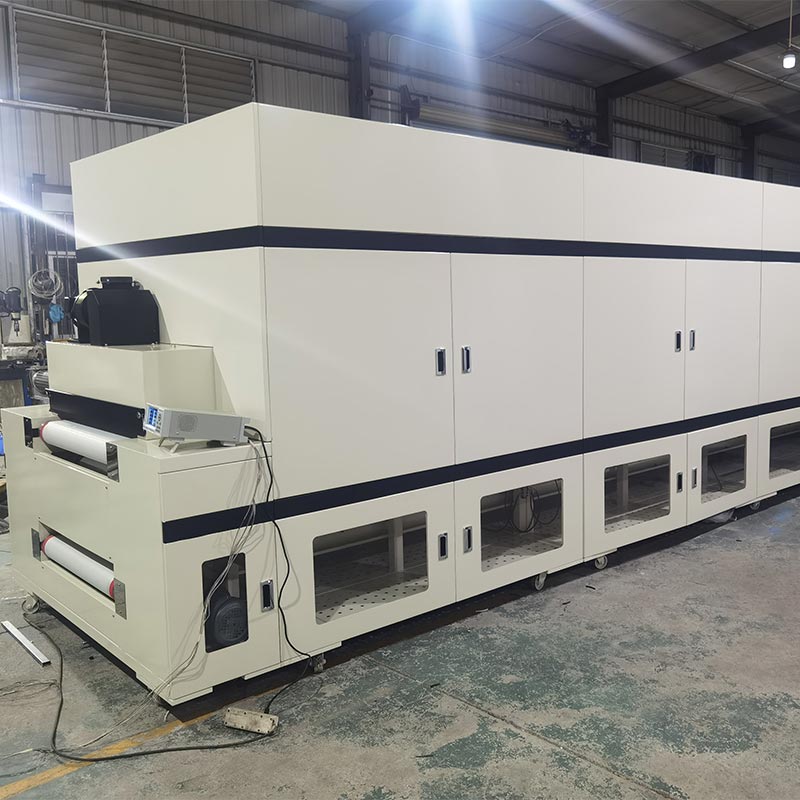
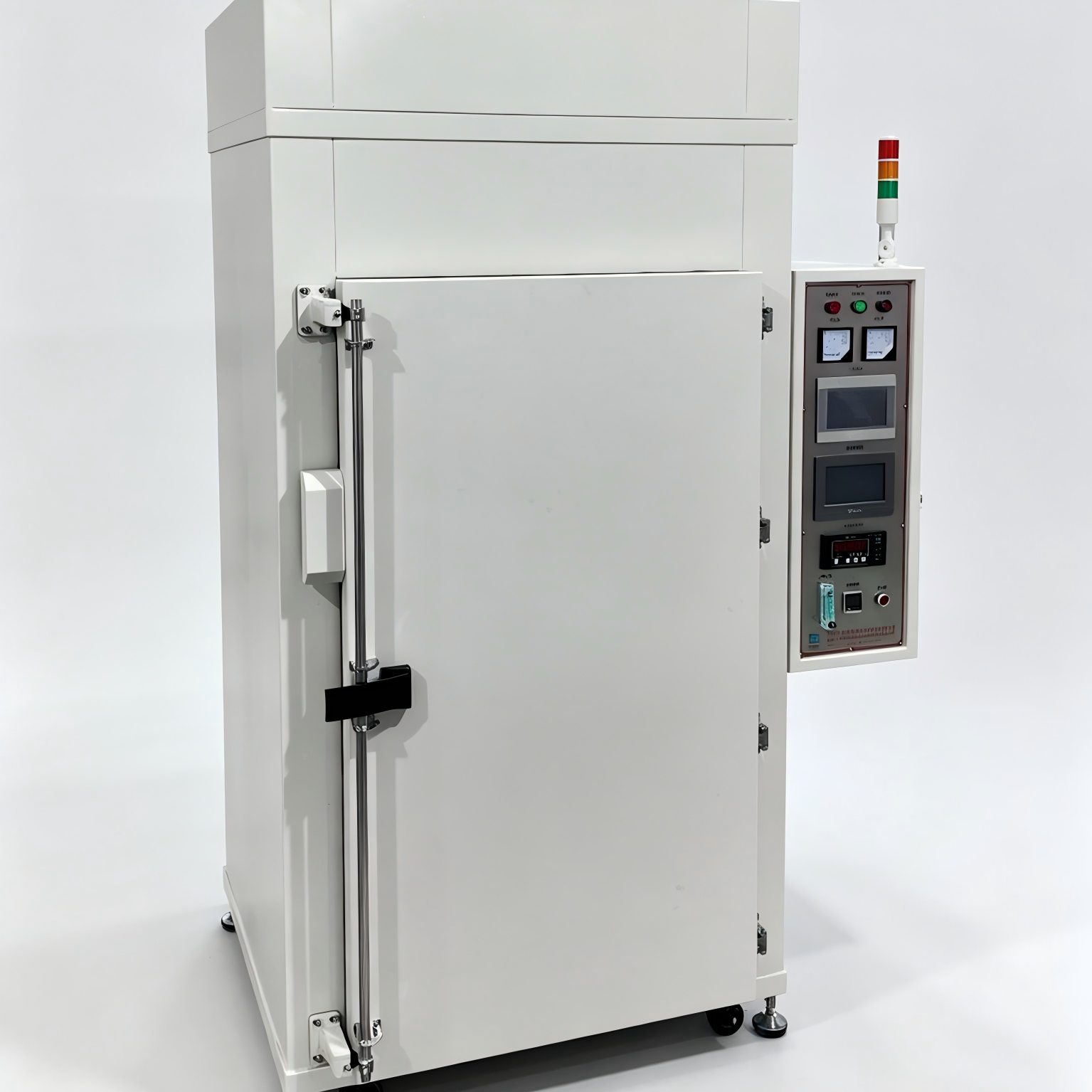
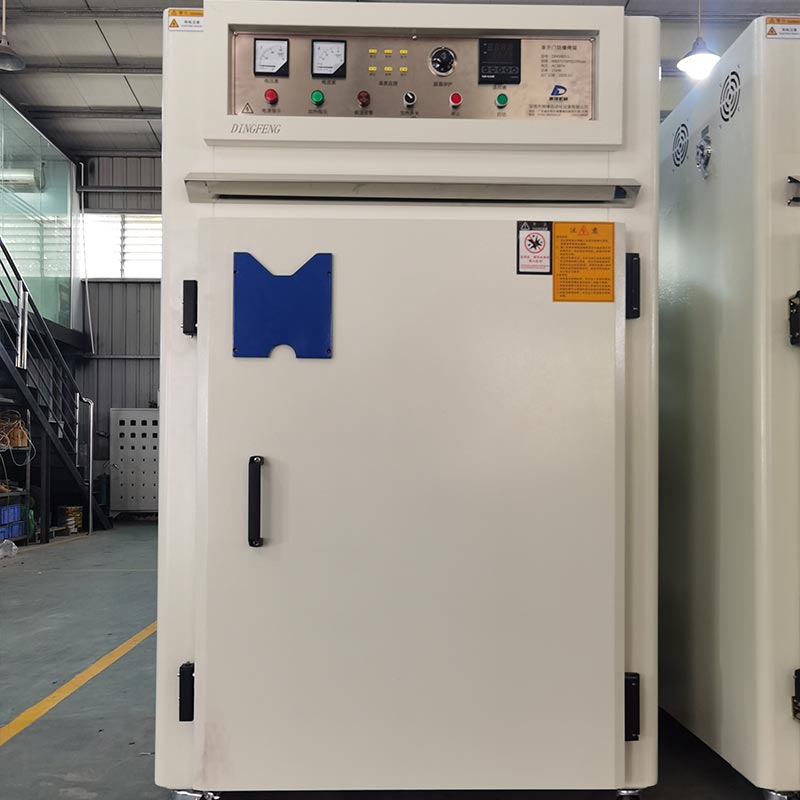
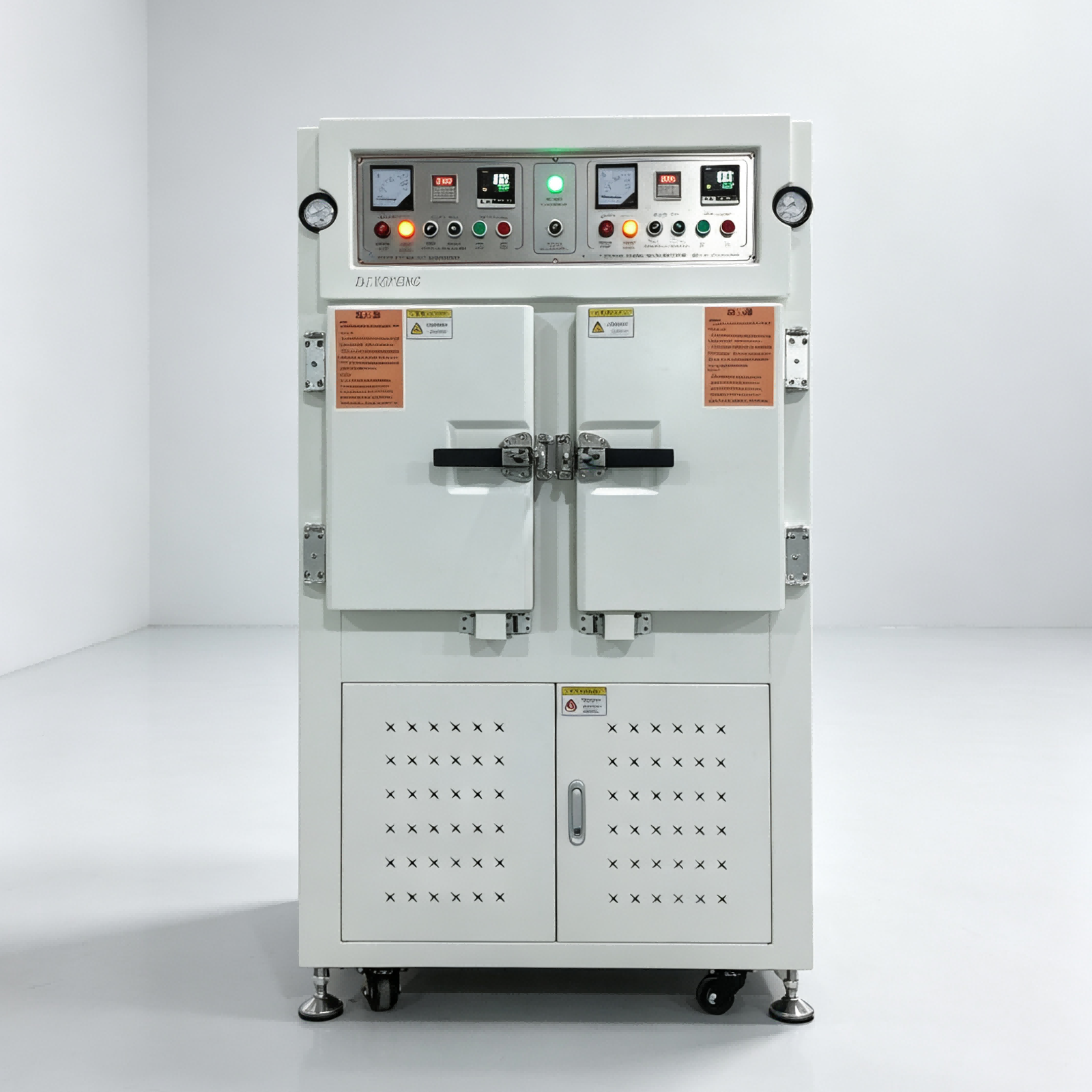
An Industrial Inductor Curing Oven plays a critical role in modern manufacturing processes involving inductors, transformers, coils, and other electromagnetic components. This article explains how these ovens work, why they are essential for consistent curing performance, and how they help manufacturers solve common production pain points such as uneven curing, energy inefficiency, and unstable product quality. It also explores key features, selection criteria, and practical applications in industrial environments.
Definition and role of Industrial Inductor Curing Oven
Challenges in traditional curing processes
Technology behind modern curing systems
Efficiency and quality improvements
Selection and maintenance considerations
Industry use cases and practical insights
1. Overview of Industrial Inductor Curing Oven
An Industrial Inductor Curing Oven is a specialized thermal processing system designed to cure insulating materials, adhesives, and coatings used in inductors and electromagnetic components. It ensures that heat is distributed evenly and controlled precisely, allowing materials to reach optimal curing states without degradation or performance loss.
Compared with conventional ovens, this equipment is engineered for high precision, energy efficiency, and scalability, making it indispensable in modern electronics and power equipment manufacturing.
2. Why Curing Process Matters in Inductor Manufacturing
The curing process directly affects the mechanical strength, electrical insulation, and long-term stability of inductors. Poor curing can lead to:
Insulation breakdown under high voltage
Reduced thermal resistance
Shortened product lifespan
Inconsistent product performance
For manufacturers, achieving uniform curing is not optional—it is essential for product reliability and compliance with industrial standards.
3. Key Features and Working Principle
The Industrial Inductor Curing Oven operates by combining controlled heating elements with forced air circulation or infrared heating systems. This ensures consistent temperature distribution across all components.
Key Features:
Precise temperature control system (±1–2°C accuracy)
Multi-zone heating design
Programmable curing profiles
Energy-efficient insulation materials
Real-time monitoring and automation
Working Principle:
Materials are placed inside the chamber where controlled heat triggers chemical cross-linking in coatings and adhesives. The system ensures that each inductor receives uniform thermal exposure, preventing hotspots and under-cured areas.
Higher Production Efficiency: Reduced curing time increases throughput.
Energy Savings: Optimized thermal management reduces power consumption.
Reduced Scrap Rate: Fewer defects mean lower production waste.
Automation Integration: Seamless connection with production lines.
Companies like Dingfeng have developed advanced curing systems that help manufacturers achieve higher productivity while maintaining strict quality control standards.
5. Comparison Table: Traditional vs Industrial Inductor Curing Oven
Feature
Traditional Oven
Industrial Inductor Curing Oven
Temperature Control
Limited precision
High-precision digital control
Energy Efficiency
High energy loss
Optimized insulation system
Curing Uniformity
Inconsistent
Highly uniform distribution
Automation Level
Manual operation
Fully programmable and automated
Production Output
Low to medium
High-volume industrial scale
6. How to Choose the Right Curing Oven
Selecting the right Industrial Inductor Curing Oven requires careful consideration of production needs and technical requirements.
Key Factors:
Production capacity requirements
Temperature range and accuracy
Energy consumption levels
Automation compatibility
Material curing specifications
Maintenance and service support
Manufacturers such as Dingfeng provide customized solutions tailored to different industrial scales, ensuring optimal performance and long-term reliability.
7. Industrial Applications
Industrial Inductor Curing Ovens are widely used across multiple industries:
Power transformer manufacturing
Automotive electronics production
Renewable energy systems (solar inverters, wind turbines)
Consumer electronics assembly
Industrial control systems
In each of these fields, precise curing ensures product stability under high-load and high-temperature conditions.
8. FAQ
Q1: What materials can be cured in an Industrial Inductor Curing Oven?
A: Epoxy resins, varnishes, adhesives, and insulating coatings commonly used in inductors and transformers.
Q2: How long does the curing process take?
A: It depends on material type and thickness, typically ranging from 10 minutes to several hours.
Q3: Is energy consumption high?
A: Modern ovens, especially those designed by Dingfeng, use optimized thermal systems to significantly reduce energy usage.
Q4: Can it be integrated into automated production lines?
A: Yes, most industrial curing ovens support full automation integration.
Q5: What is the main advantage over traditional ovens?
A: Superior temperature uniformity, energy efficiency, and process automation.
Industrial curing technology continues to evolve, and manufacturers who adopt advanced solutions gain a competitive advantage in quality, efficiency, and scalability. The Industrial Inductor Curing Oven developed by Dingfengrepresents a reliable and future-ready solution for modern production environments.
For more detailed specifications, customization options, or technical consultation, Dingfeng offers professional support tailored to your production needs.
Contact us today to learn how our Industrial Inductor Curing Oven solutions can optimize your manufacturing process and improve your production efficiency.
We use cookies to offer you a better browsing experience, analyze site traffic and personalize content. By using this site, you agree to our use of cookies.
Privacy Policy