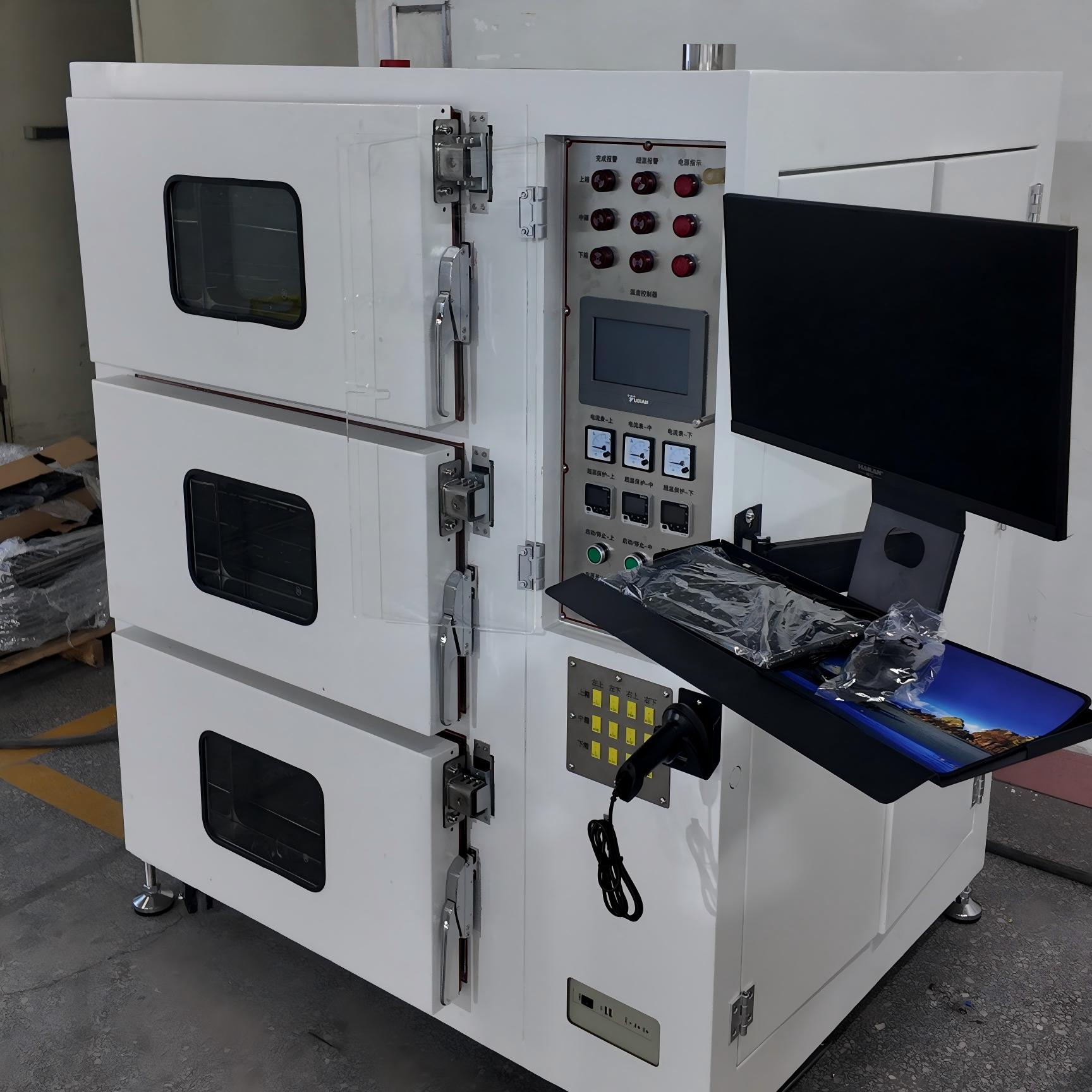
Summary:Industrial inductor curing ovens are essential for efficient manufacturing processes in electronics, automotive, and composite industries. This article explores their working principles, key features, benefits, and maintenance considerations, helping businesses optimize production quality and energy efficiency.
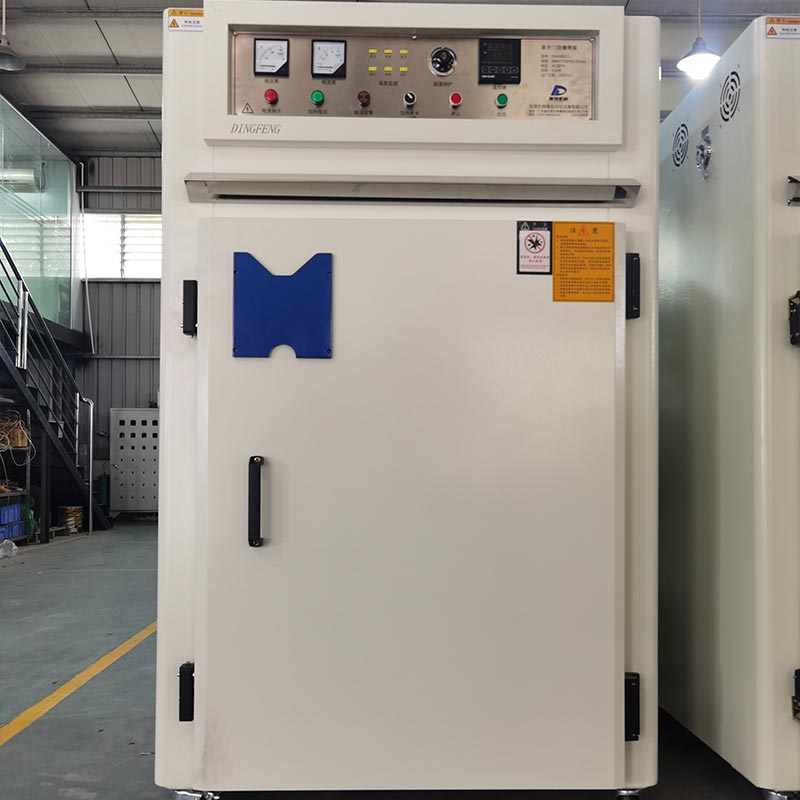
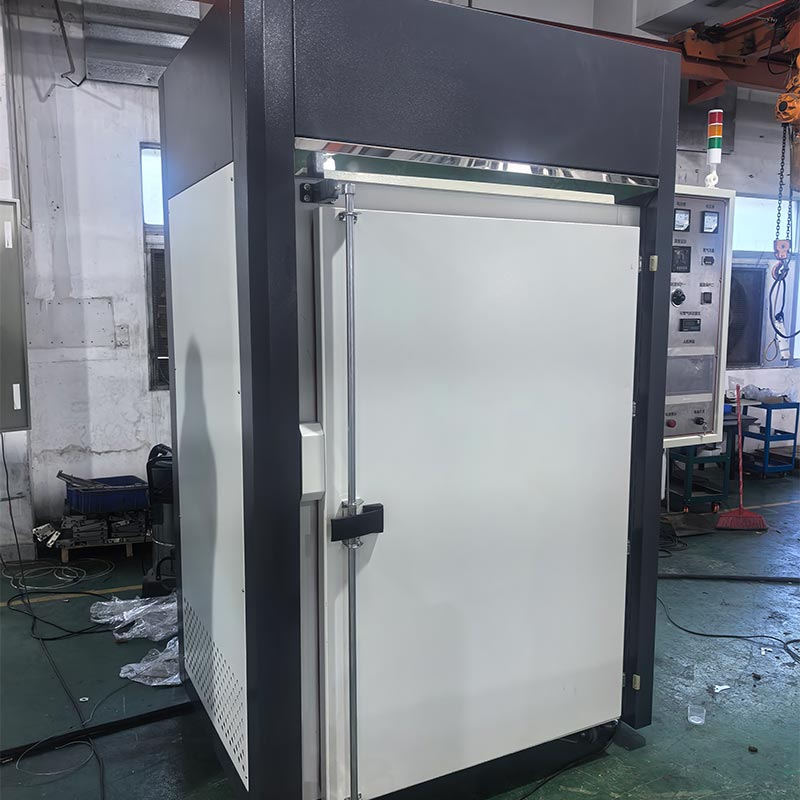
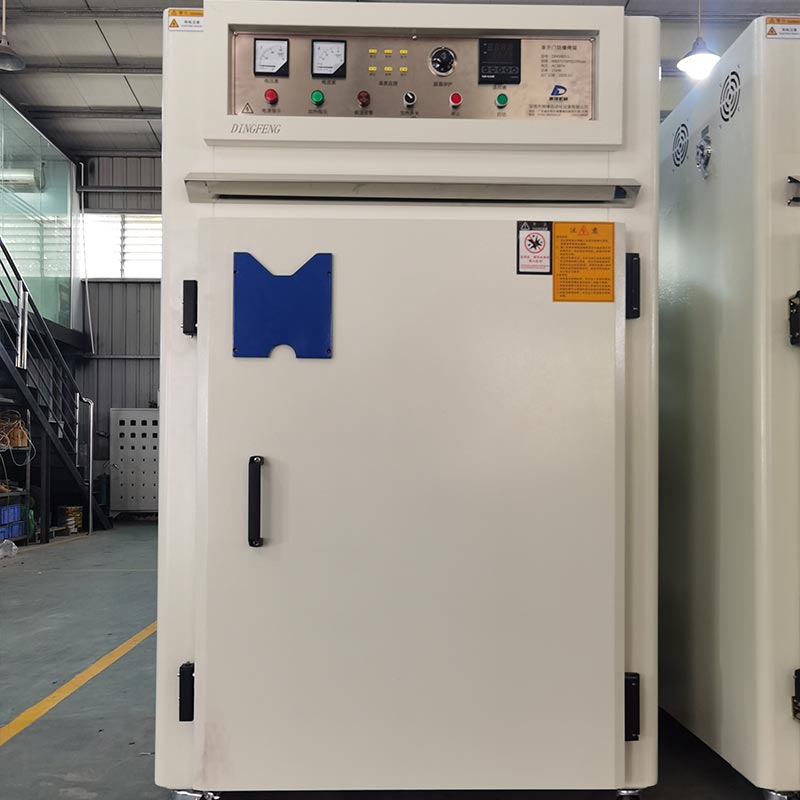
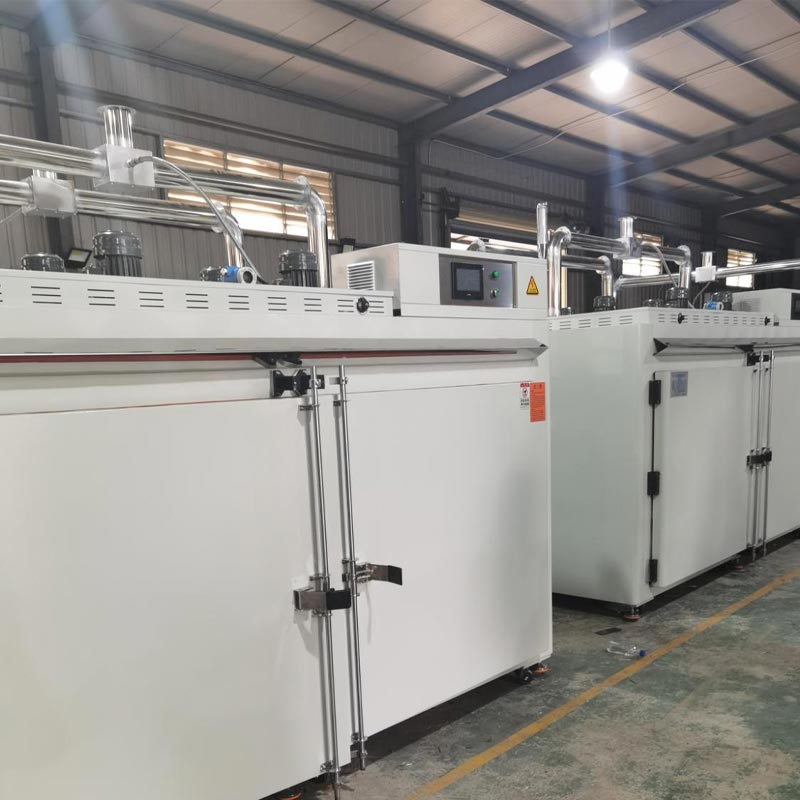
In modern manufacturing, precision and efficiency are crucial. Industrial inductor curing ovens are designed to provide consistent heating and curing for materials such as composites, adhesives, and coatings. Dingfeng, a leading provider of automation solutions, specializes in high-quality inductor curing ovens that improve production throughput while minimizing energy consumption.
Working Principle
Industrial inductor curing ovens operate based on the principle of electromagnetic induction. An alternating current passes through the inductor coil, generating a magnetic field that induces eddy currents in conductive materials. This process heats the material evenly and efficiently without direct contact, resulting in precise curing and reduced production time.
Induction Coil: Generates a controlled magnetic field to heat materials.
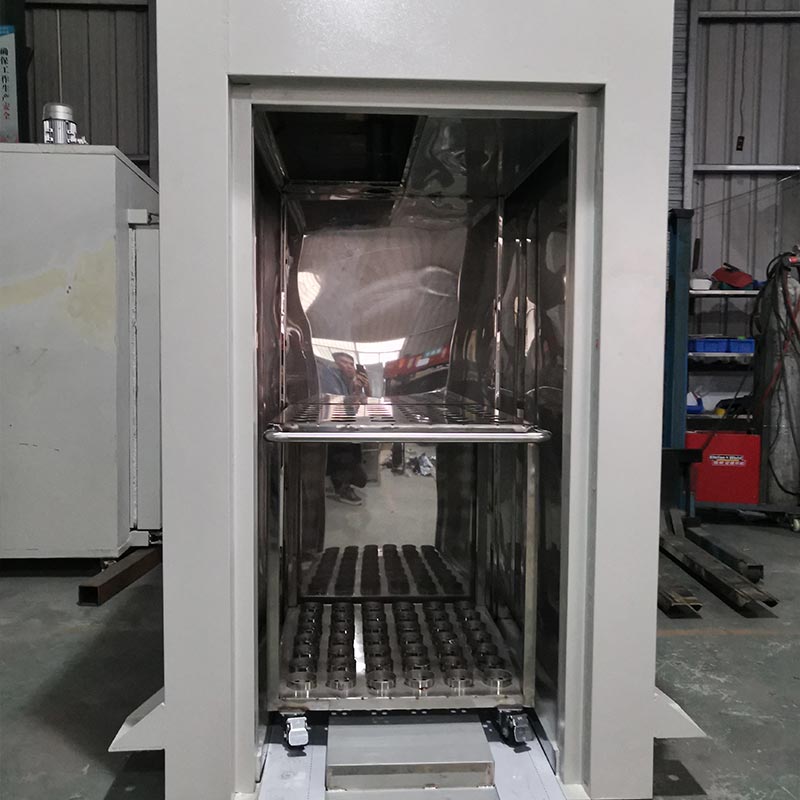
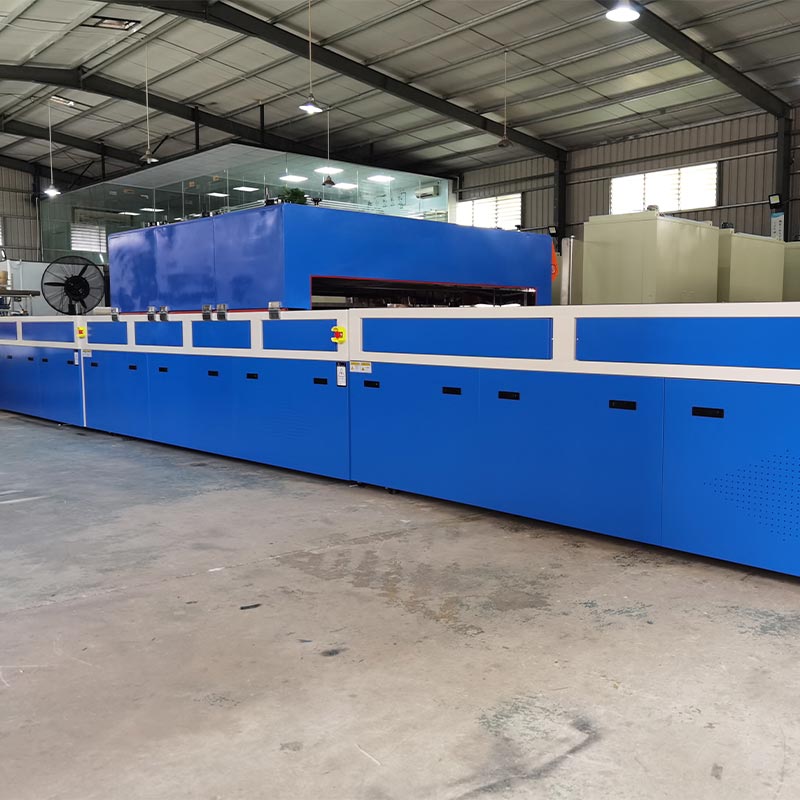
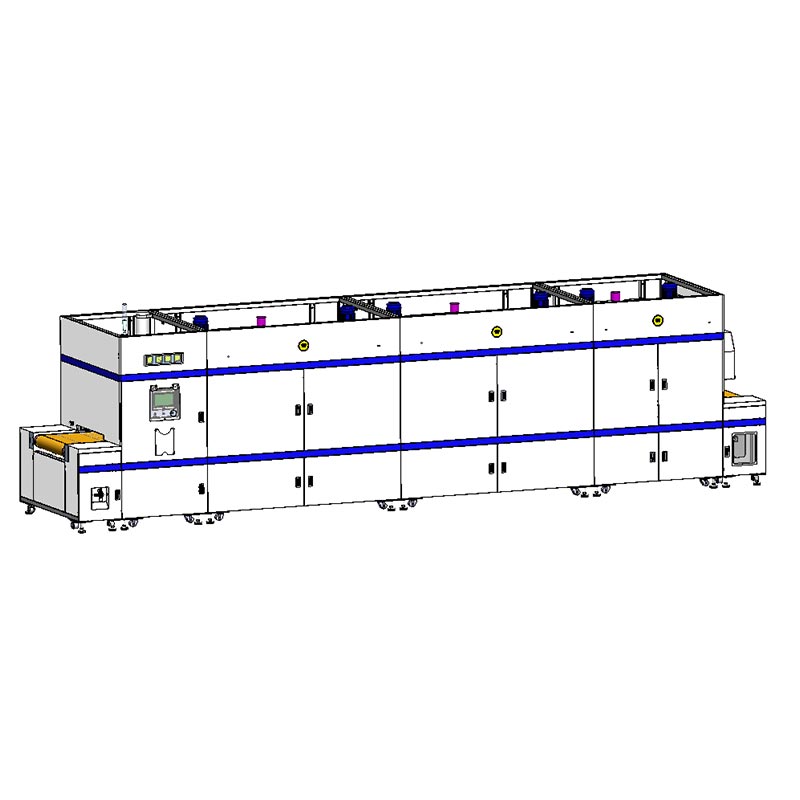
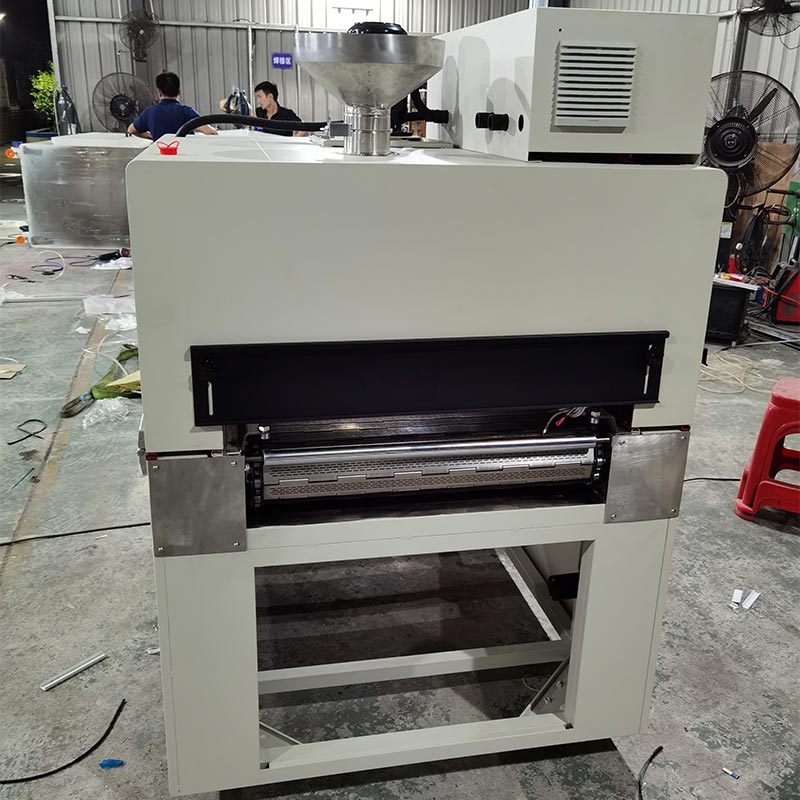
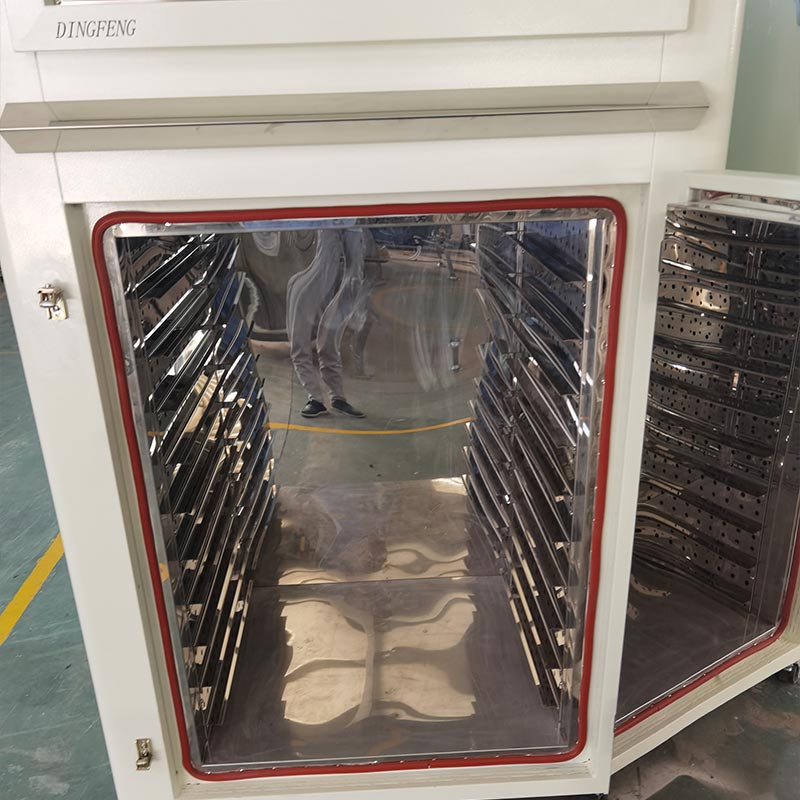
Conveyor or Stationary Platform: Moves products through the oven for uniform curing.
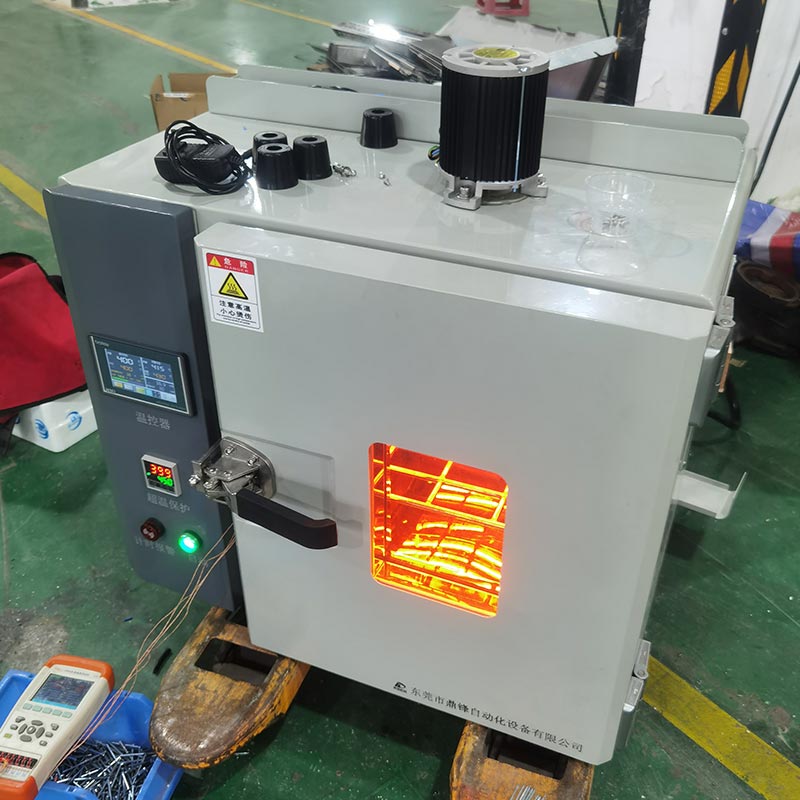
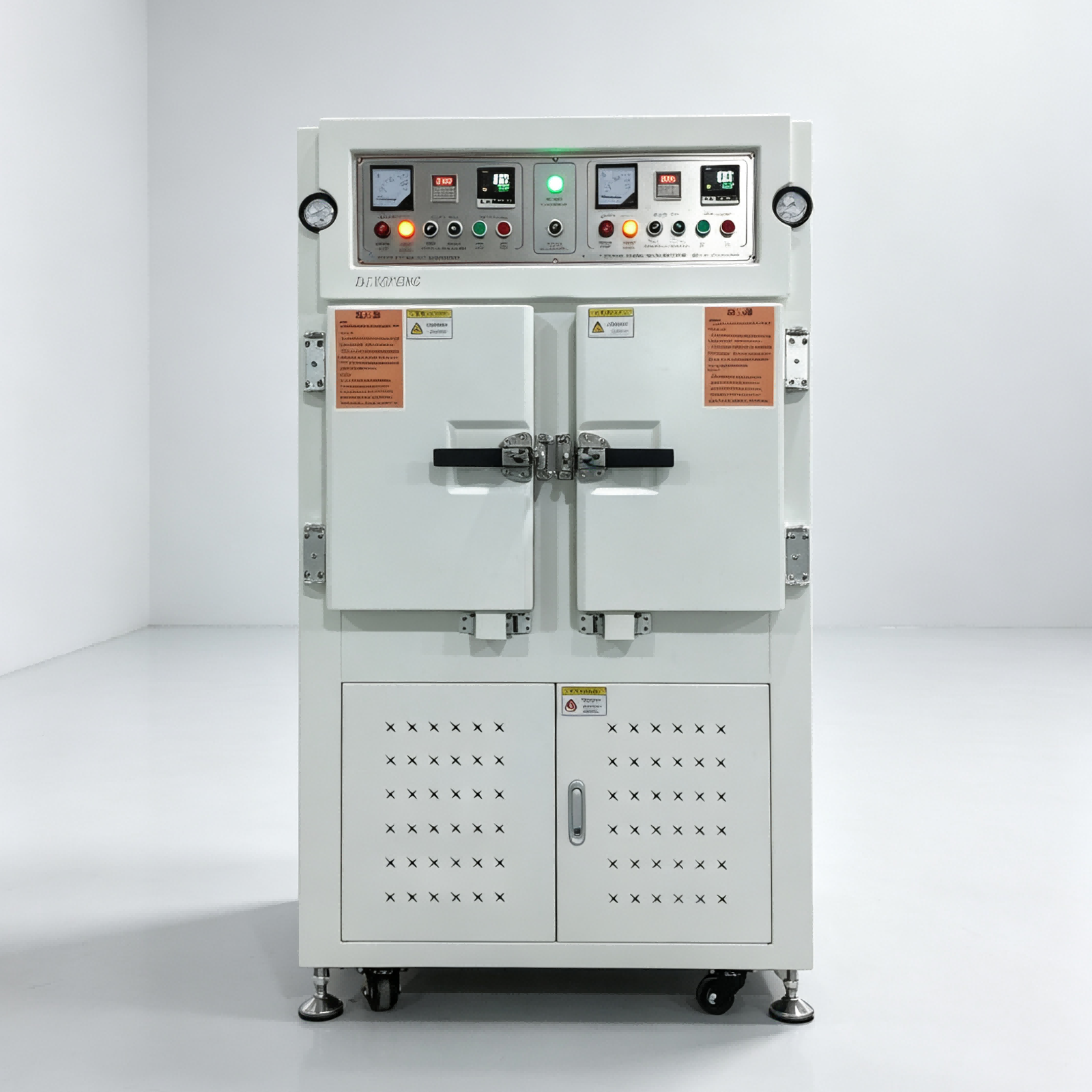
Temperature Control: Ensures accurate heating profiles for different materials.
Key Features of Industrial Inductor Curing Ovens
Dingfeng Industrial Inductor Curing Ovens include features that address common manufacturing challenges:
Feature
Benefit
Precise Temperature Control
Ensures consistent product quality and reduces material waste.
Energy Efficiency
Induction heating minimizes power consumption and operational costs.
Modular Design
Easy to maintain, upgrade, or integrate into existing production lines.
Compact Footprint
Maximizes floor space usage without compromising performance.
Applications
Industrial inductor curing ovens are widely used in various industries:
Electronics: Curing of circuit boards and electronic components.
Automotive: Adhesive curing for interior components, composites, and coatings.
Composites Manufacturing: Heat treatment of fiber-reinforced polymers and resins.
Medical Devices: Sterilization and curing of precision instruments.
Benefits of Using Industrial Inductor Curing Ovens
Environmentally Friendly: Minimal emissions compared to gas or oil-fired ovens.
Customizable Settings: Tailored heating profiles suit different materials and processes.
Maintenance and Safety Tips
Proper maintenance ensures long-term performance and safety:
Regularly inspect induction coils and electrical connections for wear.
Keep the oven interior clean to prevent contamination.
Monitor temperature sensors for accuracy and recalibrate when necessary.
Follow Dingfeng’s safety guidelines to prevent accidents and downtime.
FAQ
Q1: Can industrial inductor curing ovens handle multiple material types?
A1: Yes, they are versatile and can be programmed for various materials with different curing requirements.
Q2: How energy-efficient are these ovens compared to traditional curing methods?
A2: Induction ovens use up to 30% less energy due to targeted heating and reduced heat loss.
Q3: What industries benefit the most from Dingfeng ovens?
A3: Electronics, automotive, composites, and medical manufacturing industries see the highest efficiency gains.
Contact Dingfeng
For manufacturers seeking to improve production efficiency and quality, Dingfeng Industrial Inductor Curing Ovens offer reliable, energy-efficient solutions. Explore more about our products at our product page or contact us today to discuss your specific curing requirements and receive a personalized solution.
We use cookies to offer you a better browsing experience, analyze site traffic and personalize content. By using this site, you agree to our use of cookies.Privacy Policy