News

News

Are Hydrogen-Powered Industrial Ovens Ready for Mass Production?

2026-04-30 0 Leave me a message

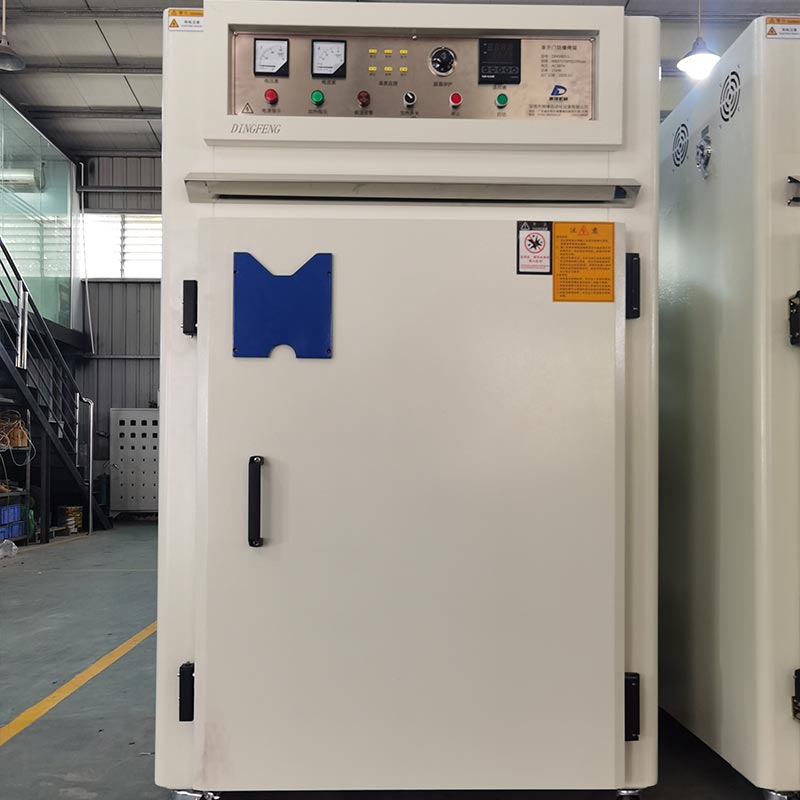
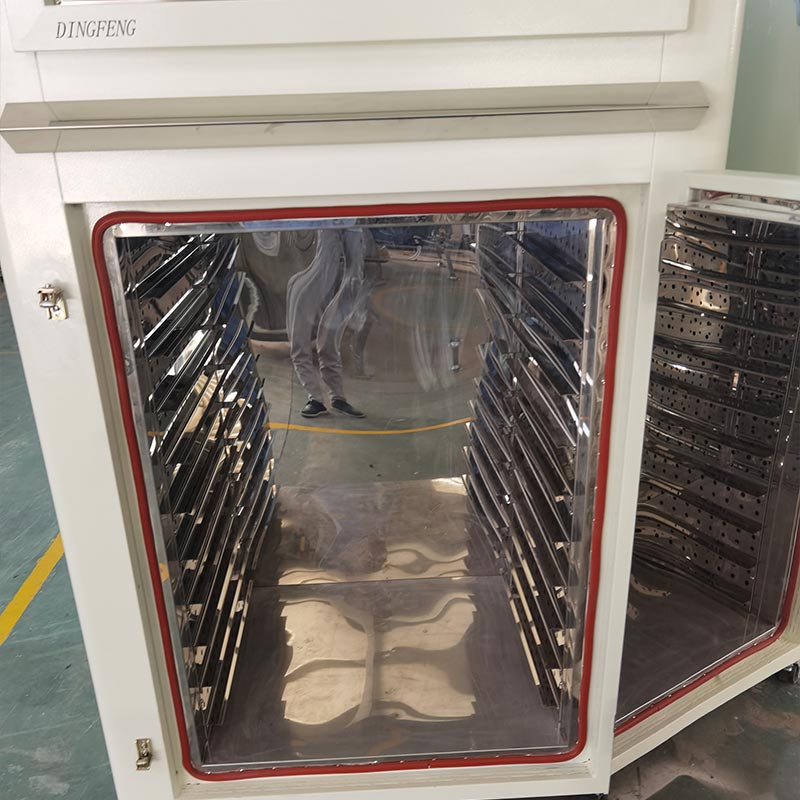
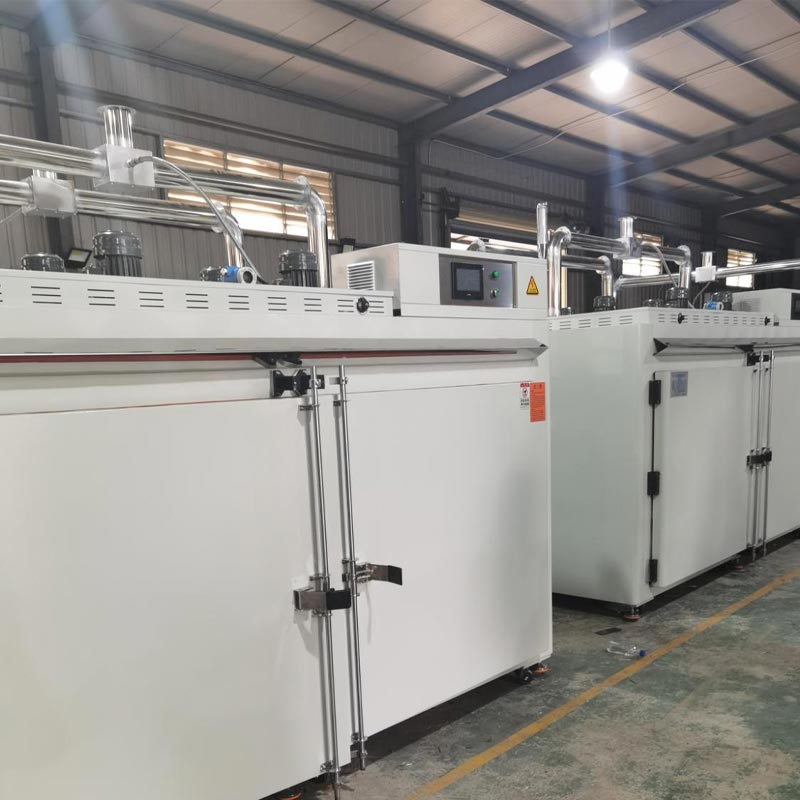
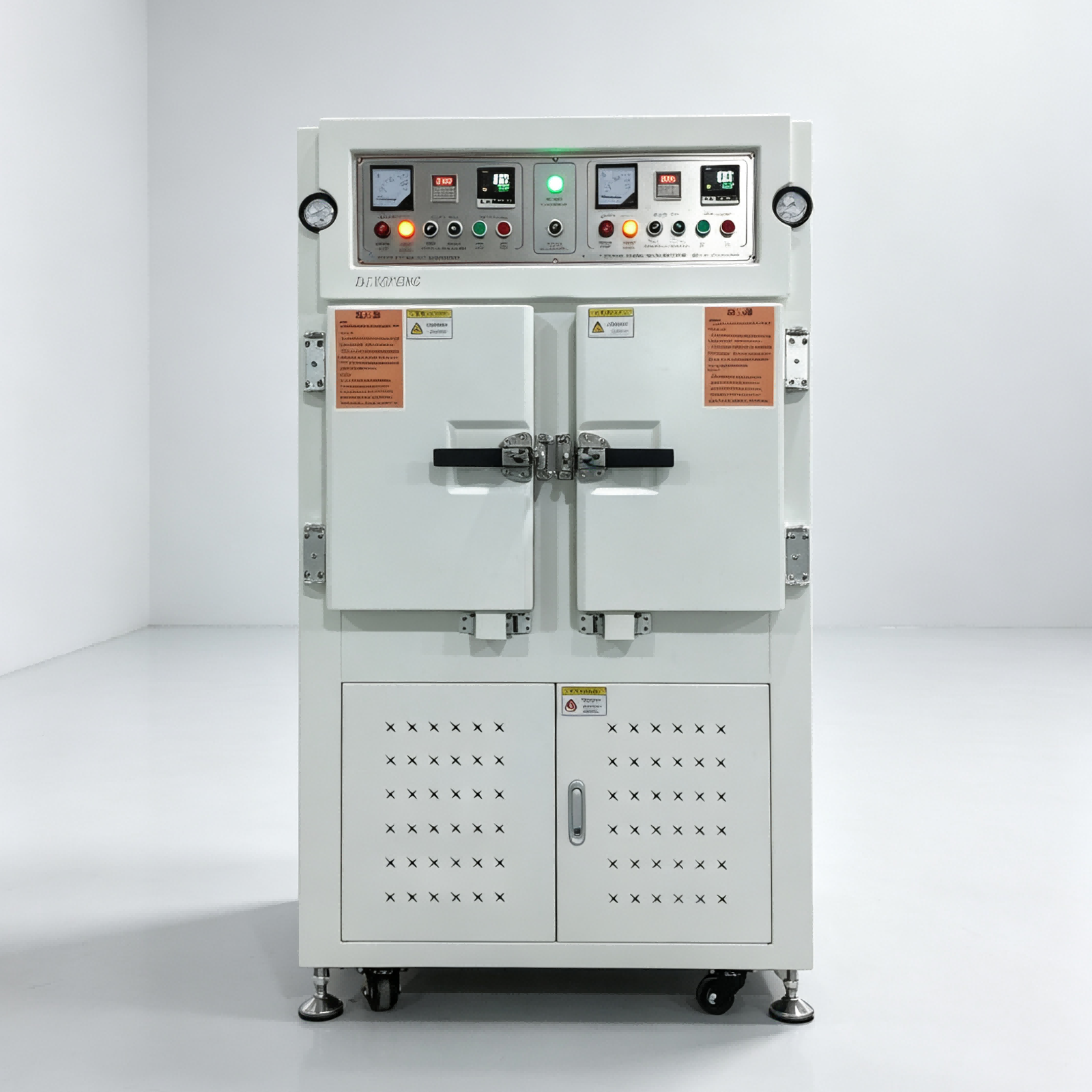
Industrial heat treatment is energy‑intensive. A single industrial oven for curing coatings, drying components, or annealing metals can consume megawatt‑hours of natural gas daily. To meet carbon neutrality targets, manufacturers are exploring hydrogen as a clean fuel. Hydrogen‑powered industrial oven systems emit only water vapor – no CO₂. But are they reliable, safe, and cost‑effective enough for factory‑floor mass production? This article examines the current state of hydrogen combustion technology, the engineering hurdles overcome, and the readiness of suppliers like Dongguan Dingfeng Automation Equipment Co., Ltd. to deliver commercial units.

How Hydrogen Changes the Industrial Oven Equation

Replacing natural gas with hydrogen in an industrial oven requires more than a burner swap. Key differences:

  • Flame temperature – Hydrogen burns hotter (approx. 2,200°C vs. 1,950°C for natural gas), demanding new burner materials.
  • Flame speed – Hydrogen has a higher laminar flame speed, increasing flashback risk unless burners are redesigned.
  • NOx formation – Without proper controls (e.g., exhaust gas recirculation or staged combustion), hydrogen can produce more thermal NOx.

However, when engineered correctly, hydrogen‑fired industrial oven systems offer:

  • Zero direct CO₂ emissions
  • Faster heat‑up times (higher flame temperature)
  • No methane leakage (a potent greenhouse gas)
  • Compatible with green hydrogen from electrolysis

Key Technical Hurdles – And How They Are Being Solved

Challenge Consequence Current Solution
Flashback into burner Flame travels into supply line, explosion risk Special flashback arrestors + lean premix burners with flame speed stabilisers
High NOx emissions Exceeds environmental permits Flameless oxidation (FLOX) or exhaust gas recirculation – reduces NOx to <50 mg/kWh
Hydrogen embrittlement Metal fatigue in oven components Stainless steel 316L or Inconel for wetted parts; regular inspection protocols
Hydrogen detection Leaks are odorless and invisible Redundant hydrogen sensors (catalytic bead + thermal conductivity) with auto‑shutdown
Green hydrogen cost Higher fuel expense vs. natural gas Off‑peak electrolysis + on‑site storage; cost parity expected by 2028

Mass Production Readiness – The Evidence

Three indicators suggest hydrogen‑powered industrial oven is ready for series production:


1. Field‑tested reliability:Automotive paint lines and lithium‑ion electrode drying ovens have run on hydrogen blends (30–100% H₂) for over 5,000 cumulative hours without unplanned shutdowns.

2. Certification progress:ISO 26142 (hydrogen detection systems) and IEC 60079 (explosive atmospheres) now explicitly cover hydrogen‑fired industrial heating equipment.

3. Supplier investment:Leading automation manufacturers have developed modular hydrogen burner units that retrofit into existing industrial oven housings – reducing conversion cost by 40%.


Dongguan Dingfeng Automation Equipment Co., Ltd. , with its core team’s 20+ years of industrial heat treatment experience, has been developing hydrogen‑compatible industrial oven systems since 2021. Their 2024 pilot unit for a battery material customer achieved:

  • Thermal efficiency: 92% (LHV basis) – comparable to natural gas
  • NOx emissions: <45 mg/kWh (meets EU Ecodesign 2025 limits)
  • Hydrogen blend range: 0–100% (switchable on‑the‑fly)

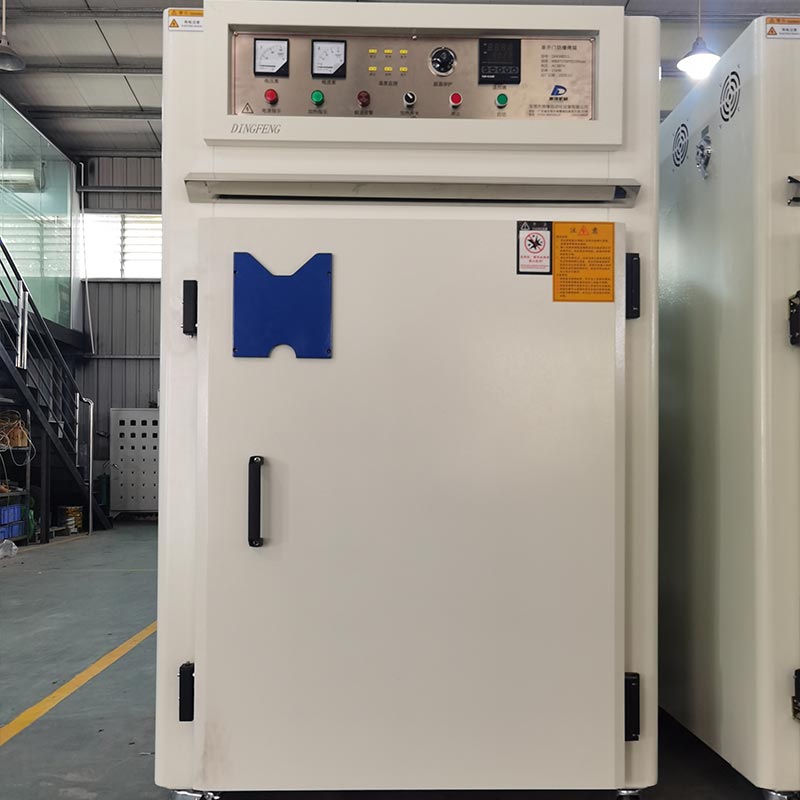
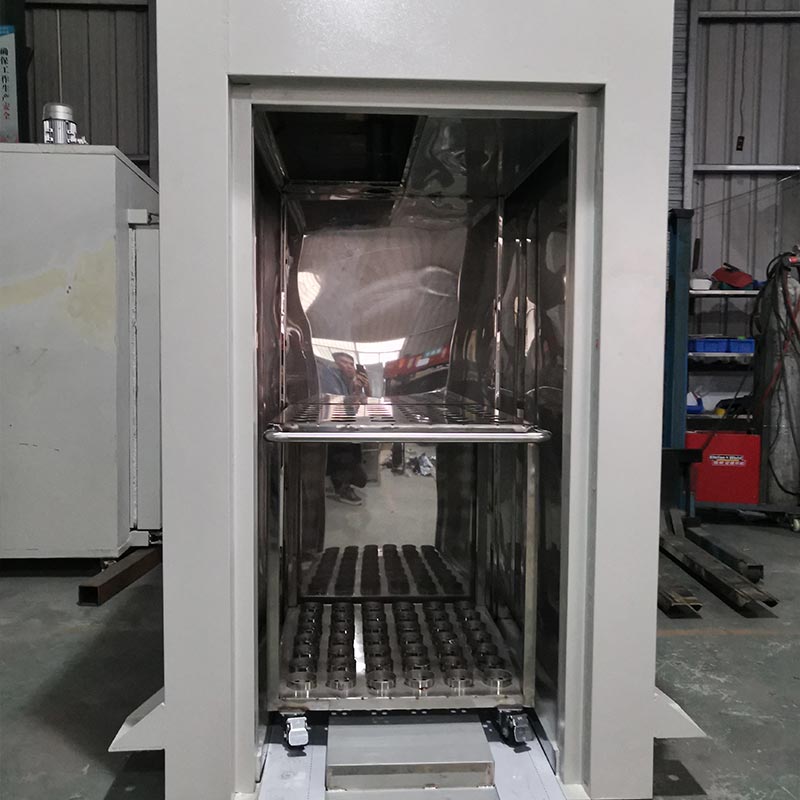
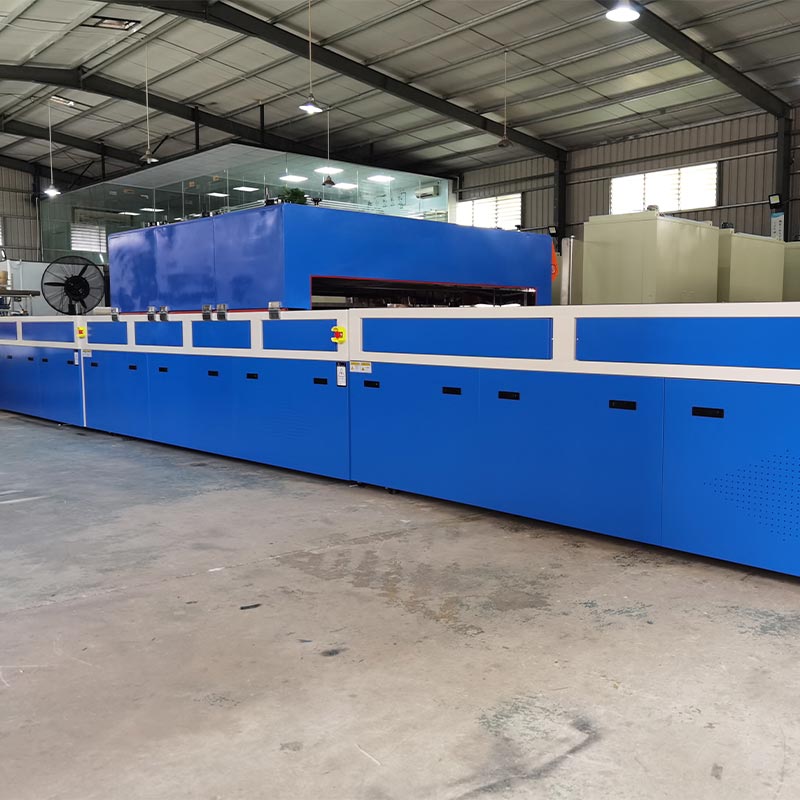
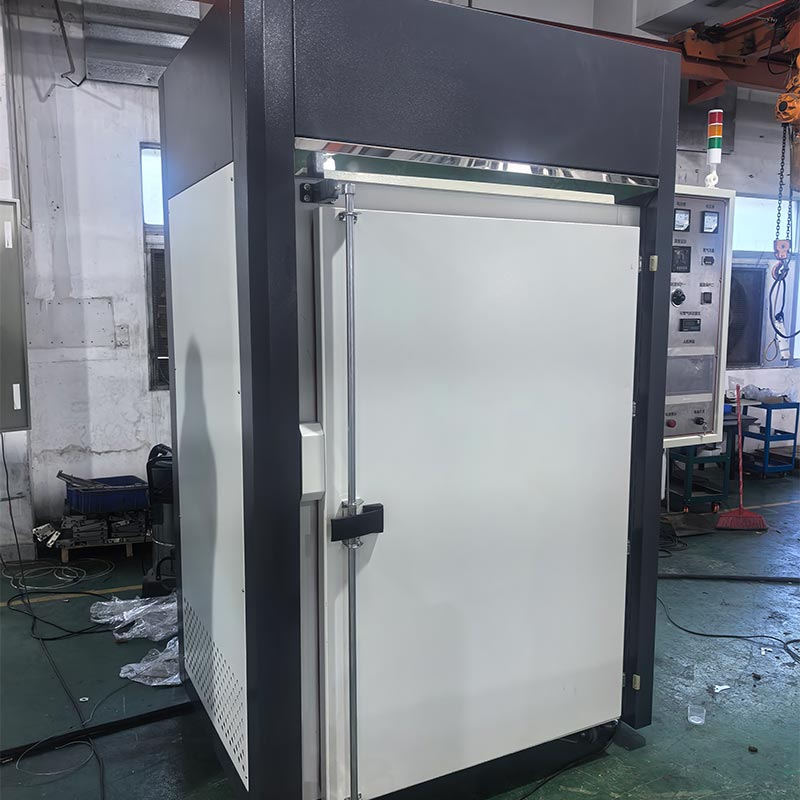
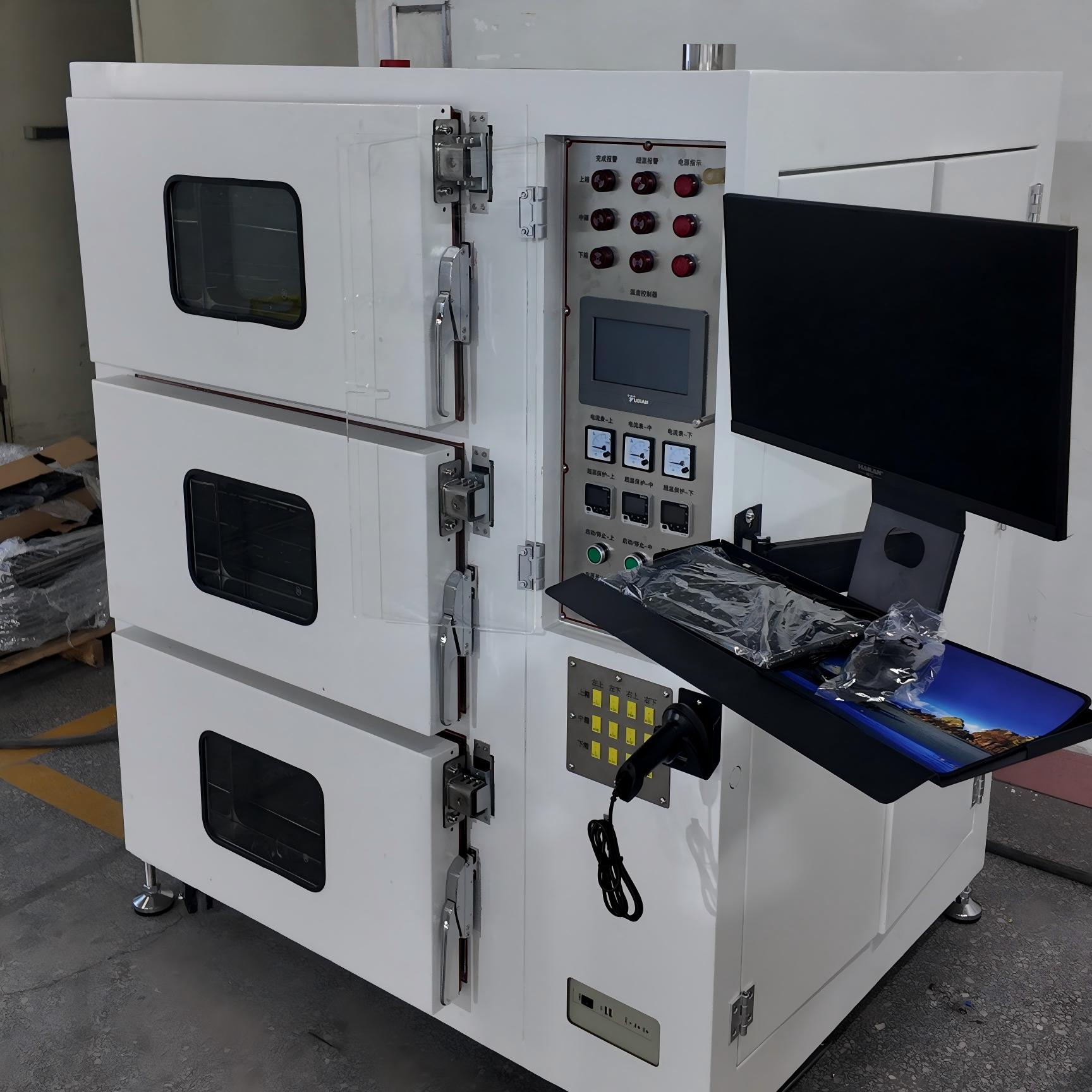
industrial oven

Parameter Table – Hydrogen vs. Natural Gas Industrial Oven

Parameter Natural Gas Industrial Oven Hydrogen Industrial Oven (2025 Model)
CO₂ emissions (per hour, 1MW) ~200 kg 0 kg
Flame temperature (°C) 1,950 2,200 – requires advanced burner
Thermal efficiency (LHV) 88–92% 90–93% (similar with recuperator)
NOx emissions (mg/kWh) 80–150 40–90 (with FLOX / EGR)
Warm‑up time (to 250°C) Baseline (1×) 0.85× (faster due to higher flame temp)
Fuel cost (relative to natural gas) 2.5–3.5× (green H₂ today); dropping
Safety systems required Standard gas detection Additional hydrogen + flashback detection
Burner life (hours before overhaul) 15,000 – 20,000 8,000 – 12,000 (currently; improving)

Pain Points Solved for Production Managers

1. “I cannot risk production downtime.”

Solution: Hybrid burners that automatically switch to natural gas if hydrogen pressure drops. Dingfeng’s industrial oven controllers continuously monitor both fuels.


2.“Hydrogen storage is too complex.”

Solution: On‑site electrolysers (containerised) produce hydrogen only when needed – no high‑pressure storage. For smaller plants, metal hydride cartridges are now commercial.


3. “My maintenance team lacks hydrogen training.”

Solution: Modern hydrogen industrial oven systems include self‑diagnostics, remote monitoring, and automated purging sequences. Dingfeng provides certified training and 24/7 remote support.


What to Specify in Your Next RFQ

When sourcing a hydrogen‑ready industrial oven, demand:

  • Burner certification – UL 2953 or EN 161 (hydrogen‑specific)
  • NOx guarantee – Written limit (e.g., ≤50 mg/kWh)
  • Flashback prevention – Describe the flame arrestor design
  • Hydrogen leak detection – Sensor type, quantity, and placement
  • Fuel flexibility – Can it run 0–100% H₂ without hardware change?


Dongguan Dingfeng Automation Equipment Co., Ltd. provides full documentation on all five points for their H2‑Series industrial ovens.


Ready for Early Adopters, Not Yet Commodity

Hydrogen‑powered industrial oven technology has reached technology readiness level (TRL) 7–8 – system prototype demonstration in operational environment. Mass production (TRL 9) is feasible for early adopters who have access to green hydrogen and a tolerance for slightly higher capital cost. For manufacturers with net‑zero roadmaps, 2025–2026 is the window to install pilot units, gain experience, and scale from 2027 onward.

Final advice: Start with a hybrid hydrogen/natural gas industrial oven from an experienced supplier like Dongguan Dingfeng Automation Equipment Co., Ltd. (20+ years in thermal equipment). Use it on low‑risk lines first. Capture operational data. When hydrogen prices drop – and they will – you will be ready to switch completely.


Related News
Leave me a message
X
We use cookies to offer you a better browsing experience, analyze site traffic and personalize content. By using this site, you agree to our use of cookies.Privacy Policy
RejectAccept